What Exactly Is Reef-Safe Sunscreen?


Kate Foster Kaplove

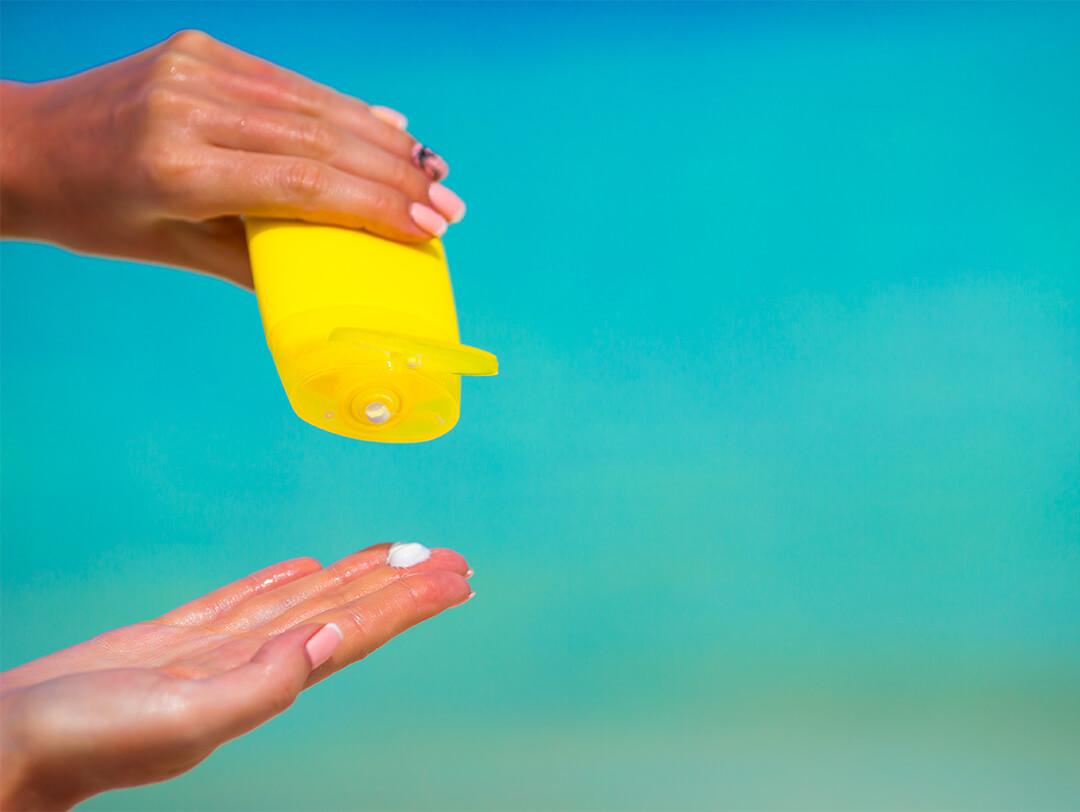
Sad, but true: It’s estimated that only nine percent of the world’s plastic has actually been recycled since the 1950s. Pretty discouraging, especially if you’ve been making an effort to switch to products—beauty and otherwise—that come in recyclable packaging.
When it comes to your beauty routine, though, focusing on sustainable ingredients can be a much more gratifying way to go eco-friendly. And with summer on the horizon, it’s a great time to turn your attention to using reef-safe sunscreen.
It's about glam time you treated yourself.
Join IPSY
What is reef safe exactly?
First things first: all sunscreen lotions fall under one of two categories, physical and chemical. Physical blockers like zinc oxide and titanium oxide sit on top of the skin and reflect the sun’s rays. The FDA has deemed these ingredients the safest for marine life and the most effective, because they sink to the ocean’s floor as sediment when rinsed away.
Meanwhile, chemical sunscreens rely on sunscreen ingredients like oxybenzone and octinoxate to absorb UV rays, then release them from the body as heat. Here’s where the trouble starts. A 2015 study found that oxybenzone and octinoxate bleach coral reefs, damaging their development and ability to reproduce. And coral species aren’t the only ones at risk, since about 25 percent of marine life relies on coral reefs for shelter and protection. Ultimately, reaching for mineral sunscreen over chemical versions is a big win for the environment, because it won't cause the same coral bleaching.
How else can you protect the environment?
No need to stop at reef-friendly mineral sunscreen to make an environmental impact. Here are some other ways you can protect the oceans and do your part to avoid contributing to climate change.
1. Use water-resistant or waterproof sunscreen. And not just because you won’t have to reapply as often. The less sunscreen washes off your body when you’re in the ocean, the less will reach (and damage) coral reefs. Simple enough.
2. Wear a rash guard or other protective clothing. We know you love your bikini, but protecting your body with clothing means not using tons of sunscreen–and saving marine life in the process. Look for pieces with an Ultraviolet Protection Factor (UPF) upwards of 40 to create the most effective sun protection.
3. Read the ingredients. Unfortunately, some brands are capitalizing on the mineral sunscreen trend by adding titanium dioxide or zinc oxide to their formulas, slapping a “mineral” label on the bottle… and foregoing removing dangerous chemical blockers. Check the active ingredients on the back of your sunscreen bottle to ensure titanium dioxide and zinc oxide are the only ones listed.
The best reef-safe sunscreens to try
Now that you’re a bona fide reef-safe SPF expert, here are some of the most effective—and least chalky—reef-safe sunscreens we’ve found. (Looking for even more reef-friendly options? Check out our picks for the best reef-friendly sunscreens here.)

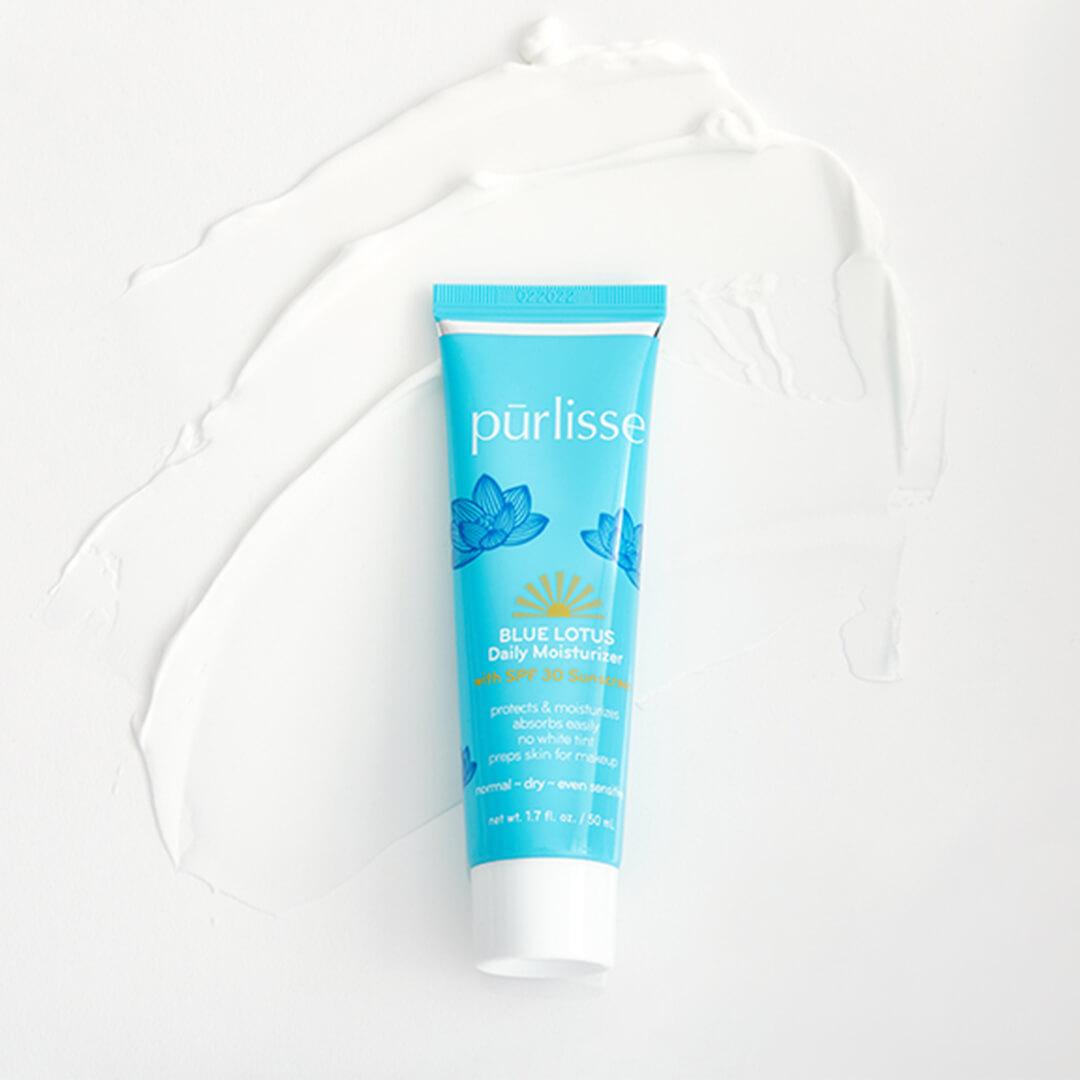
1. PURLISSE BEAUTY Blue Lotus Daily Moisturizer SPF 30 Sunscreen – If you’ve been burned (literally and figuratively) by sunblocks that claim to be natural mineral sunscreens before, this daily moisturizer with SPF 30 is for you. It features the antioxidant blue lotus extract to help ward off damaging free radicals you’d otherwise be exposed to in the sun. Big bonus points for its lightweight, non-greasy feel: it's the perfect skincare product to use just before makeup. According to Ipsters, this sun savior “soaks in well,” “smells amazing,” and “leaves skin feeling so soft.”
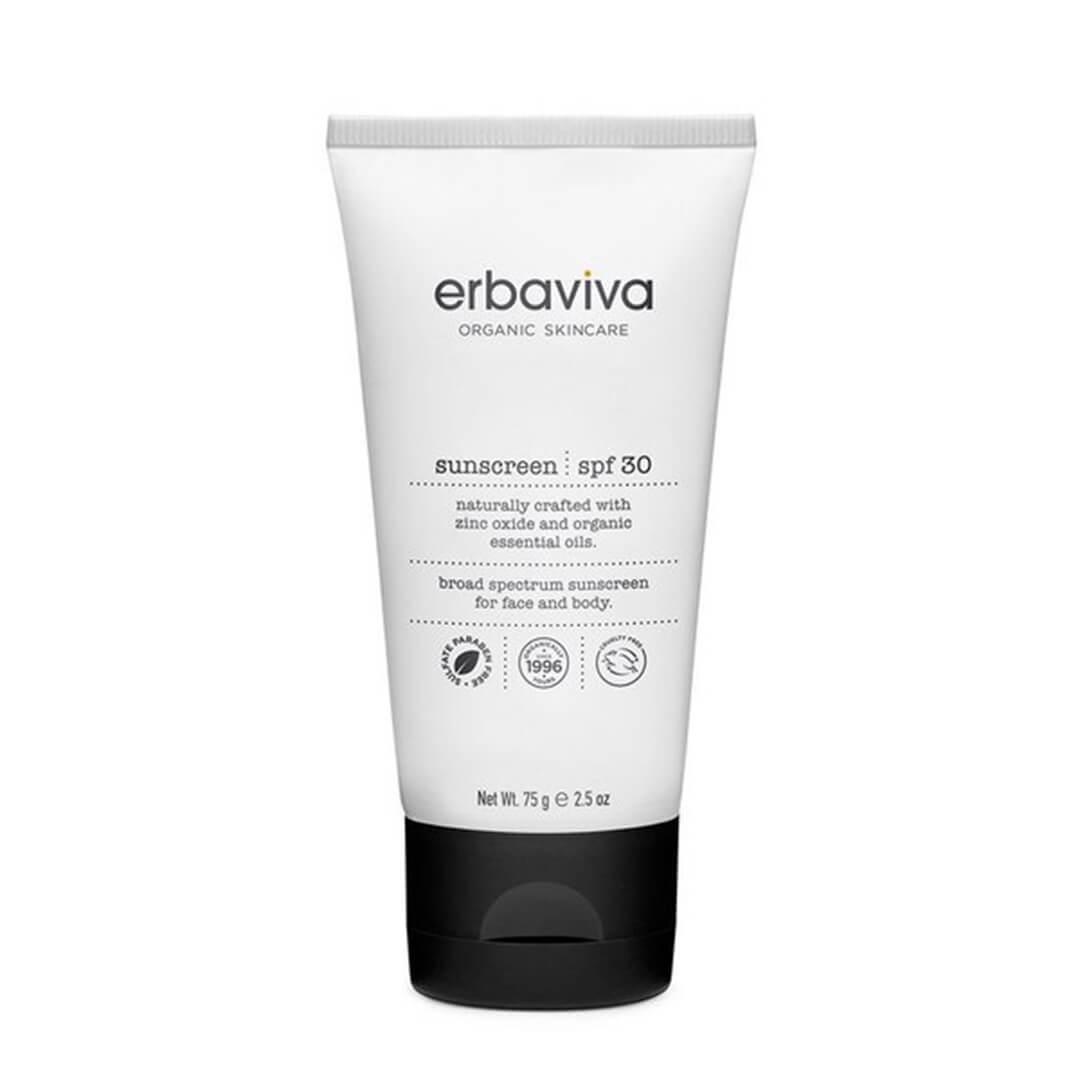
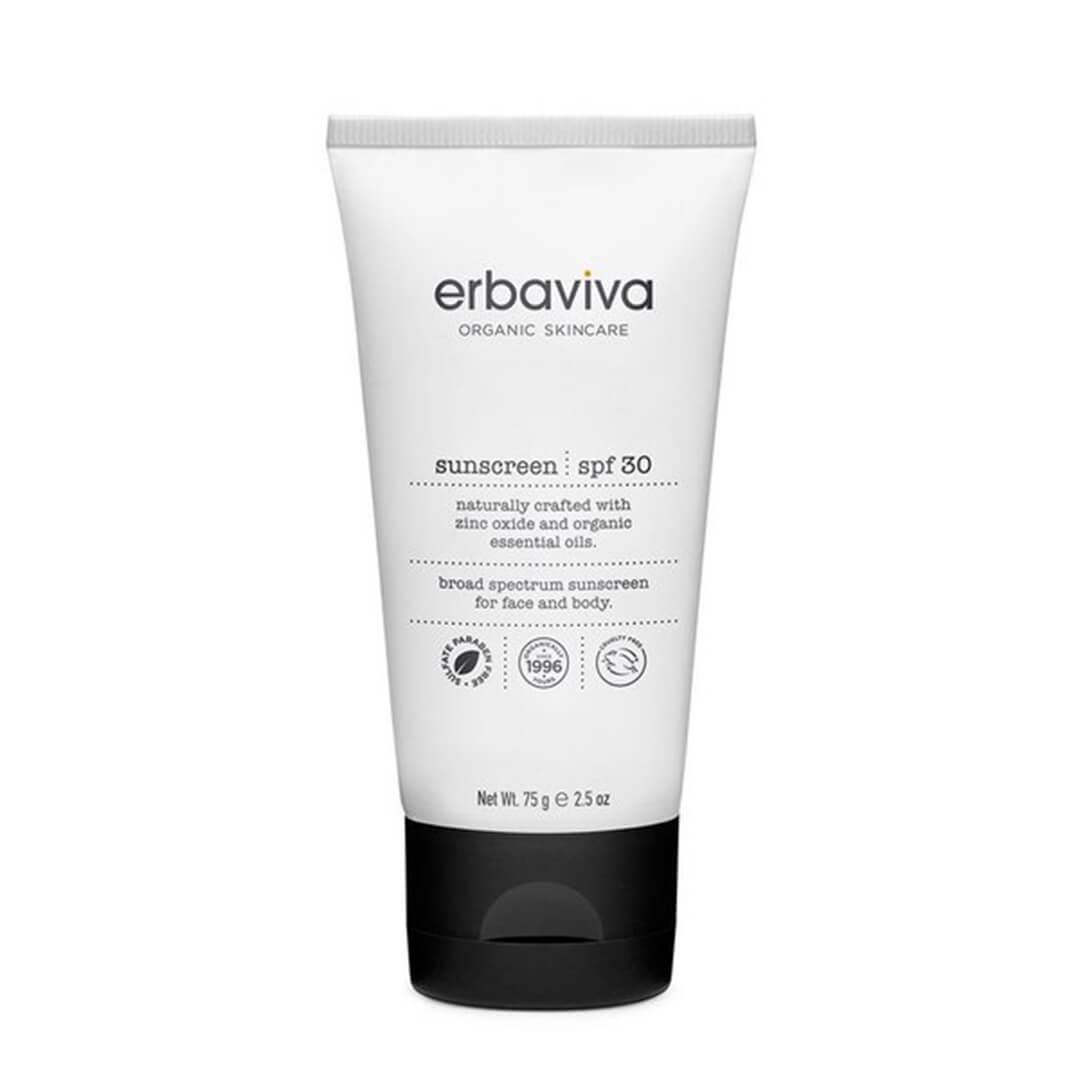
2. ERBAVIVA Sunscreen – This brand’s farm-to-bottle philosophy gives the nourishing aloe, sunflower, and jojoba oils a special homemade touch, while chamomile and lavender essential oils give you and your entire family a calming boost. It’s also water-resistant for up to 80 minutes which, trust us, is a rarity in the mineral sunscreen world.

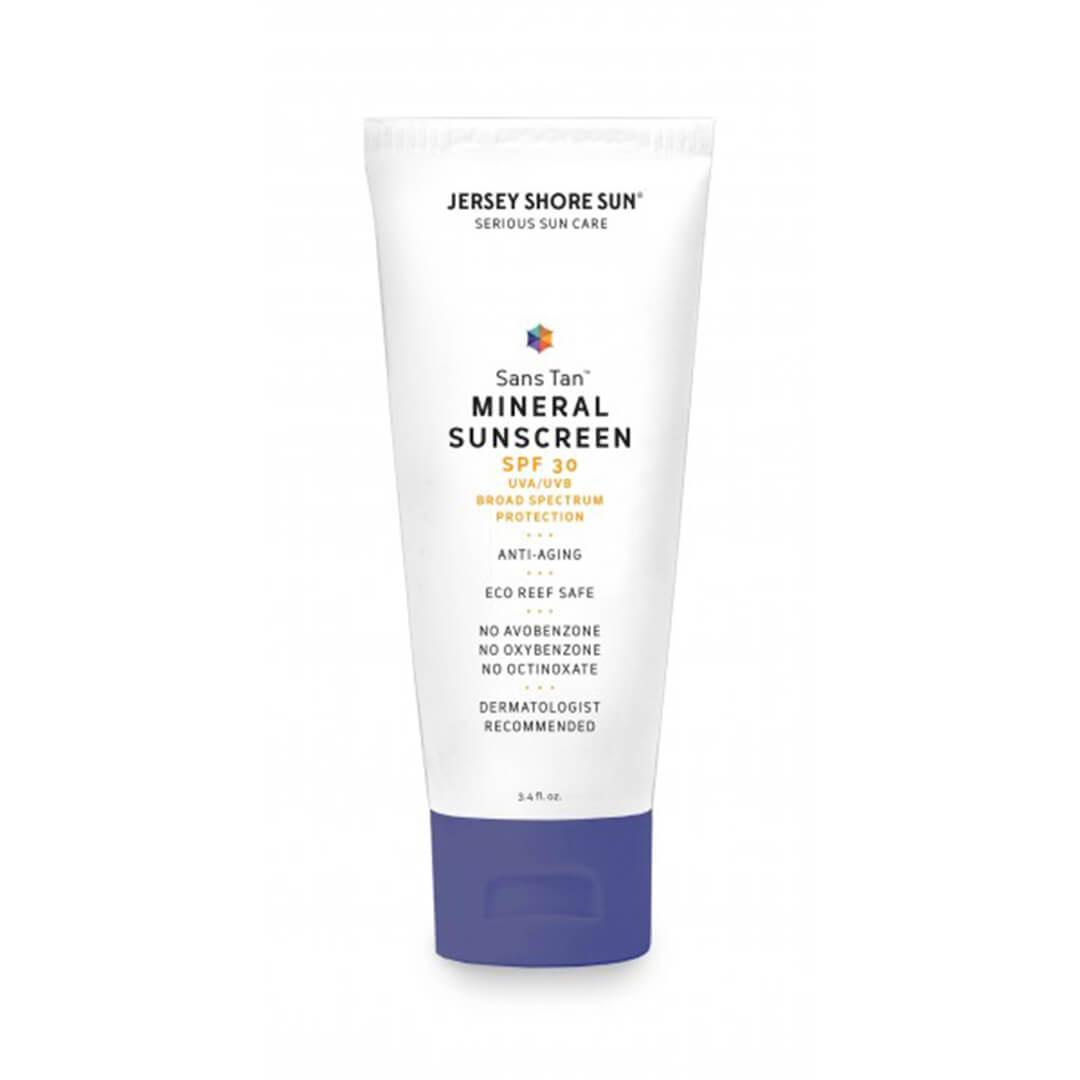
3. JERSEY SHORE COSMETICS Sans Tan Anti-Aging Mineral Sunscreen Reef-Safe — Meet the queen of all multitasking sunscreens. This super-sheer formula boasts hyaluronic acid and aloe vera juice to deeply hydrate, soothe, and plump the skin. It’s ideal for dry or sensitive skin types or anyone who just wants to combine their moisturizer and sunscreen steps into one.
Let us know which reef-safe sunscreen is your fave!
Want in on all the Glam Bag fun? Take the Beauty Quiz now to get started. And don’t forget to check us out on Instagram and Twitter @IPSY.
Liked this post? Share!
Related Stories


Skin
Your Thanksgiving Feast Just Got a Skin-Loving Glow-Up
7 min read


Skin
Is Yellow Light Therapy the Next Big Thing in Skincare?
5 min read


Skin
Sculptra Curious? Here’s Everything You Need to Know Before Trying It
6 min read


Skin
Your Hands Are Getting a Skincare Routine Now
4 min read


Skin
Wait, Why Are Sliced Eye Patches Suddenly Everywhere?
3 min read


Skin
What Is Collagen Banking—and Does It Actually Work?
6 min read


Skin
What Do Beauty Certifications Actually Mean? Experts Break It Down
6 min read


Skin
What Is Spironolactone? Everything to Know About Taking It for Acne
4 min read
Beauty Picked Just for You
Get 5 products worth up to $70
Exclusive access to epic deals up to 80% off
Starting at just $15/month. Cancel anytime.