What Is the Skin Barrier & Why Is Everyone Talking About It?


Brittany Leitner
The term “skin barrier” is everywhere right now. Why? Because it’s the key to healthy, hydrated skin. And, you know, once a term becomes popularized on #SkinTok, there really is no stopping it. But if you’re still feeling lost, don’t worry, we’ve got you. Understanding your skin barrier will help you understand how your skincare products work, and can even help inform which you choose to add to your skincare routine.
There are a lot of environmental factors that can disrupt your skin’s barrier, like dryness in the air, pollution, or how mineral-rich the water that comes out of your tap is. But, before you duck for cover, we’ve got good news—if you prep your skin with the right protection and products, you can help prevent skin barrier damage before it starts.
Here’s everything you need to know about keeping your skin barrier protected so your skin stays healthy for the long haul.
It's about glam time you treated yourself.
Join IPSY

MEET THE EXPERT
David Lortscher, MD, is a board-certified dermatologist and the CEO and co-founder of CUROLOGY, a skincare company that helps people fight acne with personalized skincare regimens.
What Is the Skin Barrier?
Your skin barrier is the outermost layer of your skin that acts as your body’s first line of defense against outside pollutants, UV radiation, and other potential threats. Keeping your skin barrier healthy is also key to fighting skincare issues like wrinkles, blemishes, dry patches, and redness.
According to dermatologist David Lortscher, MD, your skin itself “functions as a barrier between your insides and the outside world.” It’s the outermost layer that foreign pollutants come into contact with first. Think of your skin barrier as a brick wall. “It’s made up of superficial skin cells (like bricks) that are held together by lipids (fats), which act as mortar,” says Dr. Lortscher. “The skin barrier also contains essential nutrients that help protect your skin from outside environments and aid in water retention.” Basically, it keeps foreign substances out of your body and vital ones (like water and electrolytes) in.
Signs Your Skin Barrier Is Damaged
Does it feel like your skin is needing some extra TLC? It might be trying to tell you something. According to Dr. Lortscher, signs of a damaged skin barrier can include dryness, dehydration, redness, sensitivity, and breakouts. “When your skin barrier is compromised, the moisture in your skin can more easily escape,” he adds. “If you notice redness or itchiness, your skin barrier is involved in some capacity. An imbalance of lipids in the skin barrier may also lead to skin sensitivity.”
Most Common Signs of Skin Barrier Damage
Dryness
Dehydration
Redness
Sensitivity
Breakouts
Itchiness
How to Repair Your Skin Barrier
If you have any of the above telltale signs that your skin barrier is damaged, don’t freak out! We’ve rounded up some super actionable ways to get your skin barrier back on track. Check out our full guide on repairing the barrier here, but in the meantime:
Take a look at your current skincare routine—eliminate strong active ingredients like retinol for the time being and focus on hydration and soothing ingredients like ceramides and hyaluronic acid. Also take a break from any products with fragrances in them.
Cut out physical exfoliants, then re-introduce it slowly.
Try a thicker overnight cream that gets to work as you sleep.
Boost your water intake—hydration is key to restoring the skin barrier from the inside out.
Ingredients & Products Your Barrier Will Love
Free radicals are anything that can damage cells, cause aging, or cause illness. While free radicals are practically impossible to avoid entirely, antioxidants work to fight off free radicals, so applying a moisturizer or serum with antioxidants such as vitamins C or E can help.
Dr. Lortscher also suggests looking for products formulated with ceramides, which are naturally occurring lipids in the skin. “Ceramides can help hydrate the skin and help support barrier function,” he says. Humectants, such as glycerin or hyaluronic acid, work by absorbing water from the atmosphere or deeper layers of your skin and bringing it to the surface, says Dr. Lortscher. Moisturizers with these ingredients can help hydrate and protect the skin.
Here are a few products we love that contain his recommended ingredients:
1. DIEUX SKIN Instant Angel Lipid-Rich Firming Moisturizer
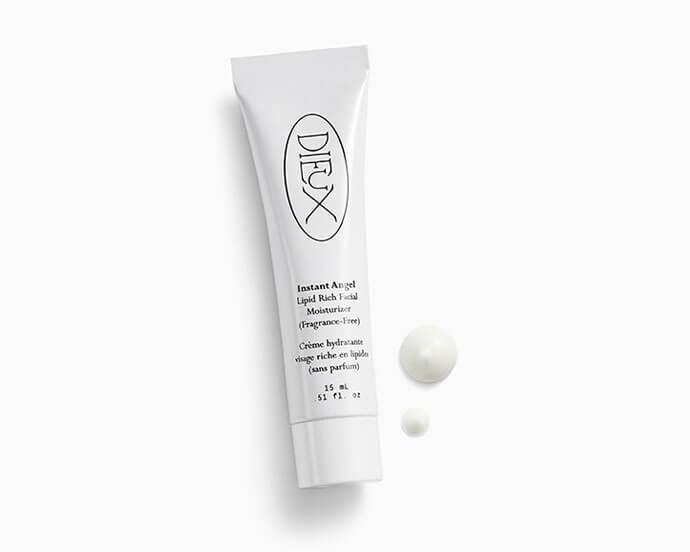
Not only is this moisturizer packed with ceramides, squalane, and glycerin to help restore the skin barrier, it’s also fragrance-free and non-comedogenic, meaning if you’re experiencing breakouts, it won’t clog pores or cause bumps, zits, and irritation.
2. DR. JART+Cicapair™ Intensive Soothing Repair Cream
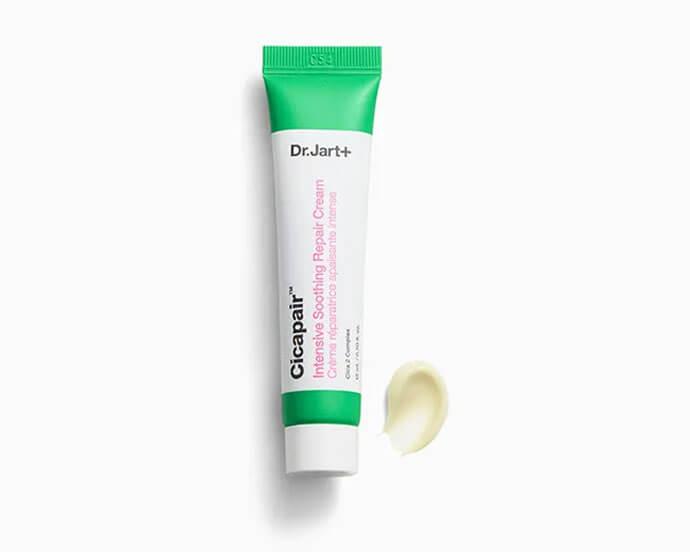
Dry skin is no match for this moisturizer. It’s supercharged with ceramides, panthenol, and glycerin to help increase the skin’s barrier strength, moisture, and bounce. Say goodbye to feeling dehydrated and tight and hello to more nourished and supple-looking skin.
3. ELEMIS Pro-Collagen Black Cherry Cleansing Balm
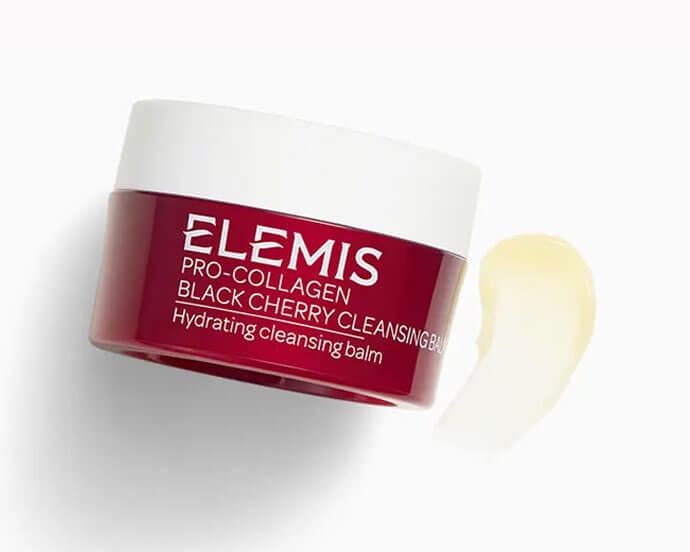
You might be a fan of black cherry lip gloss, but this black cherry cleanser helps strip away anything you put on your skin like makeup, SPF, and more so your skin barrier is bare and ready to soak up the ceramides from your moisturizer.
4. CLARK’S BOTANICALS Deep Moisture Mask
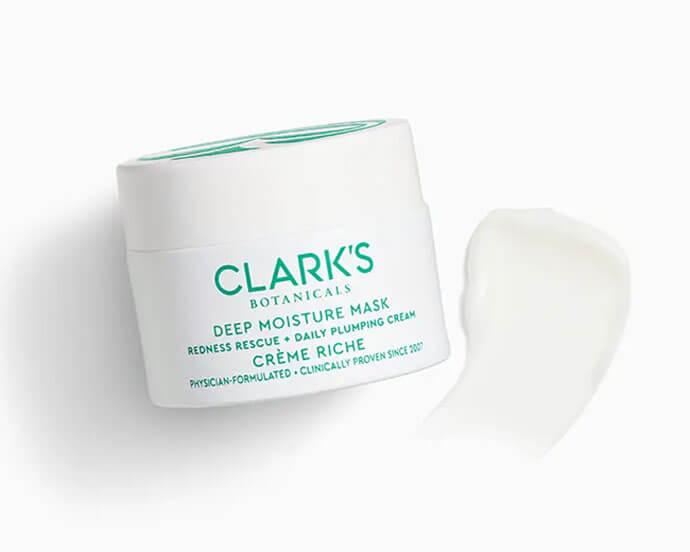
This may be called a mask, but it’s also perfect to use a winter moisturizer for overnight wear. As you sleep, Japanese green tea, jasmine enzymes, and vitamin E helps soothe and strengthen your skin barrier.
Daily Habits for a Healthy Barrier
There are a few things you can do to prevent skin barrier damage before it happens, but it’s also important to remember that what wreaks the most havoc on your skin can differ from person to person and is based on genetics, lifestyle, and even weather.
UV radiation is one of the most common sources of damage to the skin barrier. You can help lessen damage by applying an SPF or using a moisturizer with SPF every morning. Another unexpected way you could be unintentionally damaging your skin barrier is by over-exfoliating or over-washing your face. So make sure you’re not washing more than twice a day and keep exfoliating to twice per week to keep your skin healthy and promote regular cell turnover.
Final Thoughts
The weather, genetics, or even a switchup in product usage can all contribute to a compromised skin barrier. But by adding in nutrient-rich products that are packed with ceramides, hyaluronic acid, glycerin, and antioxidants, you can help restore and revive your skin to its optimal level. Check out some of our product suggestions above and make sure to stop by the IPSY Shop to shop more Ipster-approved favorites.
Liked this post? Share!
Related Stories


Skin
Your Thanksgiving Feast Just Got a Skin-Loving Glow-Up
7 min read


Skin
Is Yellow Light Therapy the Next Big Thing in Skincare?
5 min read


Skin
Sculptra Curious? Here’s Everything You Need to Know Before Trying It
6 min read


Skin
Your Hands Are Getting a Skincare Routine Now
4 min read


Skin
Wait, Why Are Sliced Eye Patches Suddenly Everywhere?
3 min read


Skin
What Is Collagen Banking—and Does It Actually Work?
6 min read


Skin
What Do Beauty Certifications Actually Mean? Experts Break It Down
6 min read


Skin
What Is Spironolactone? Everything to Know About Taking It for Acne
4 min read
Beauty Picked Just for You
Get 5 products worth up to $70
Exclusive access to epic deals up to 80% off
Starting at just $15/month. Cancel anytime.