Everyone's Wearing Eye Patches, but Do They Actually Work?


Ashley Locke
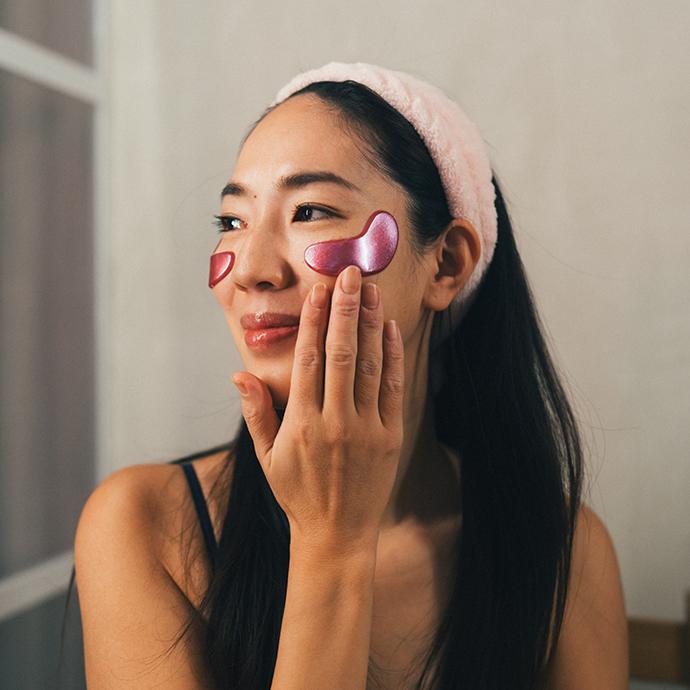
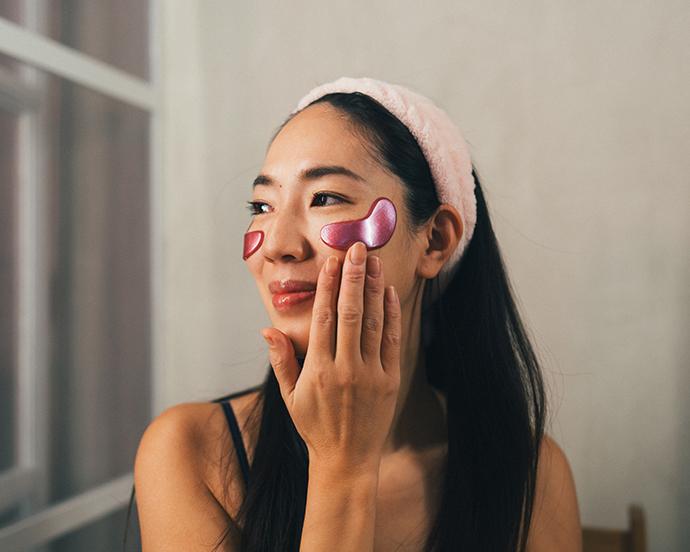
Photo by AleksandarNakic/Getty Images
Eye patches have been around for years, but the hype isn’t dying down. Whenever we open Instagram or TikTok, we’re met with some creator wearing eye patches ahead of their “get ready with me” content. The it-girls always have them on, even if just for a trip to the grocery store.
Over the years, we’ve been introduced to different types of eye patches, including reusable ones. More recently, the internet was ablaze over the drama surrounding FENTY BEAUTY, GLOW RECIPE, and HUDA BEAUTY all launching sliced hydrogel eye patches on the same day. As more and more eye patches hit the market, we still have one question: Do eye patches even work?
IPSY spoke with dermatologists and skincare experts to discover the truth behind the trendiest skincare product.
It's about glam time you treated yourself.
Join IPSY

MEET THE EXPERT
Shamsa Kanwal, MD, is a board-certified dermatologist with more than 10 years of clinical experience.
Hannah Kopelman, MD, is a dermatologist and hair loss specialist with expertise in medical, cosmetic, and surgical dermatology.
Frank Agullo, MD, known globally as "Dr. WorldWide," is a double board-certified plastic surgeon based in El Paso, Texas.
Kira Piskalova is the co-founder and brand and marketing manager of BEYOND FACIALS, a skincare studio in Santa Monica, California.
Debra Jaliman, MD, is a board-certified dermatologist in New York City, New York, and a clinical assistant professor at Icahn School of Medicine at Mount Sinai.
Jennifer Gularson, PA-C, IFMCP, is a board-certified physician assistant and Institute for Functional Medicine Certified Practitioner at the Osteopathic Center for Healing in Maryland.
Shuting Hu, PhD, an award-winning female scientist and founder of ACADERMA, champions transformative biotech skincare for skin longevity, driven by scientific breakthroughs, clean innovation, ethical sourcing, and community empowerment.
What Are Under-Eye Patches?
Before we get into the nitty-gritty of whether eye patches offer any skincare benefits, it’s important to define what they are. Board-certified dermatologist Shamsa Kanwal, MD, says, “Under-eye patches are small, curved masks placed beneath the eyes to deliver moisturizing or soothing ingredients. They temporarily hold moisture against the skin, helping the delicate under-eye area look smoother and more refreshed.”
Dermatologist and hair loss specialist Hannah Kopelman, MD, runs us through the different types of under-eye patches and what they’re best for. “I usually recommend hydrogel patches with hyaluronic acid for hydration, caffeine-infused patches for puffiness, and silicone patches to help lock in moisture. Some also contain vitamin C, niacinamide, or peptides for brightening and anti-aging benefits, although results vary depending on the formulation.”
Do Eye Patches Actually Work?
Time for the moment of truth—do eye patches actually do anything? The answer is yes, but only temporarily. “Under-eye patches will make the skin look smoother, plumper, and less puffy, at least temporarily,” notes board-certified plastic surgeon Frank Agullo, MD. “Thin under-eye skin readily shows when it's hydrated, and under-eye patches can give this effect in less than an hour in most patients. The effect usually lasts most of the day, but once the skin dries out again, the effect goes away.”
What Are the Biggest Benefits of Using Under-Eye Patches?
Under-eye patches offer plenty of benefits, even if they're temporary. BEYOND FACIALS co-founder Kira Piskalova says their “main benefits are temporary hydration, a cooling sensation, smoother-looking skin, and a refreshed appearance.” An added bonus? They help with concealer application. “They can also make concealers apply more evenly before an event or help someone create a relaxing skincare routine,” continues Piskalova.
What Can’t Eye Patches Do?
People often expect eye patches to cure all under-eye concerns—but that's simply not the case. While they offer temporary benefits, they can’t do a few things. According to board-certified dermatologist Debra Jaliman, MD, this includes structurally changing the skin around the eyes. “If you have real wrinkling, then a laser treatment is better. If the skin is loose and wrinkled, then radiofrequency skin tightening would be the treatment of choice. If you have hollowing under the eyes, then dermal filler or PRP might be appropriate. If you have crow’s feet, then Botox is probably best,” she recommends.
Shuting Hu, PhD, an award-winning female scientist and founder of ACADERMA, echoes this sentiment. “Occlusion raises the water content of the outermost skin layer, which temporarily plumps fine lines, and cooling plus caffeine can help reduce puffiness. Most results from eye patches last a few hours to a day, so think of them as a booster.” She does point out that “microneedle patches with consistent use show the most promise for longer-term improvement in fine lines.” If you want an eye patch that delivers more long-term results, try a microneedle one.
How Do You Use Under-Eye Patches Correctly to Get the Most Out of Them?
Board-certified physician assistant Jennifer Gularson, PA-C, IFMCP, has numerous tips for getting the most out of under-eye patches. She starts by saying to use them on clean, dry skin. “Apply the patches beneath the eyes, leaving a little space between the product and the lower lash line so the ingredients don't migrate into the eyes.”
Gularson then suggests following the manufacturer's instructions, which usually means leaving them on for 10 to 20 minutes. “Leaving them on longer doesn't necessarily improve the results, and I generally don't recommend sleeping in patches unless the product is specifically designed and tested for overnight use.” Once your time is up, gently pat in the excess serum under your eyes, then follow with an appropriate moisturizer.
Make sure you’re using the right eye patches for your under-eye concerns, and also be sure to test that they work on your skin type. “I also recommend checking the ingredient list carefully. Fragrance-free products are preferable, particularly for anyone with sensitive skin, allergies, or a history of irritation,” says Gularson. “If you're using a new product, test it on a small area first. And if you experience burning, stinging, redness, or itching, remove it immediately.”
Finally, Gularson notes that consistency is key. “Nighttime is when I encourage patients to focus on gentle cleansing, hydration, and skin-supporting treatments. In the morning, the priority should be protection, particularly sunscreen.”
Are Under-Eye Patches Worth It?
So, do under-eye patches work? Yes—just don't expect permanent results. They can give the under-eye area a temporary boost of hydration, help minimize the appearance of puffiness, and create a smoother canvas for makeup. While they won't erase wrinkles or address every cause of dark circles, they're still a fun, easy addition to your skincare routine. And sometimes, a little extra TLC is exactly what your under-eyes need.
Liked this post? Share!
Related Stories


Skin
Your Thanksgiving Feast Just Got a Skin-Loving Glow-Up
7 min read


Skin
Is Yellow Light Therapy the Next Big Thing in Skincare?
5 min read


Skin
Sculptra Curious? Here’s Everything You Need to Know Before Trying It
6 min read


Skin
Your Hands Are Getting a Skincare Routine Now
4 min read


Skin
Wait, Why Are Sliced Eye Patches Suddenly Everywhere?
3 min read


Skin
What Is Collagen Banking—and Does It Actually Work?
6 min read


Skin
What Do Beauty Certifications Actually Mean? Experts Break It Down
6 min read


Skin
What Is Spironolactone? Everything to Know About Taking It for Acne
4 min read
Beauty Picked Just for You
Get 5 products worth up to $70
Exclusive access to epic deals up to 80% off
Starting at just $15/month. Cancel anytime.