How Long Do Pimples Last? How to Identify a Treatment Plan Based on the Zit


Brittany Leitner
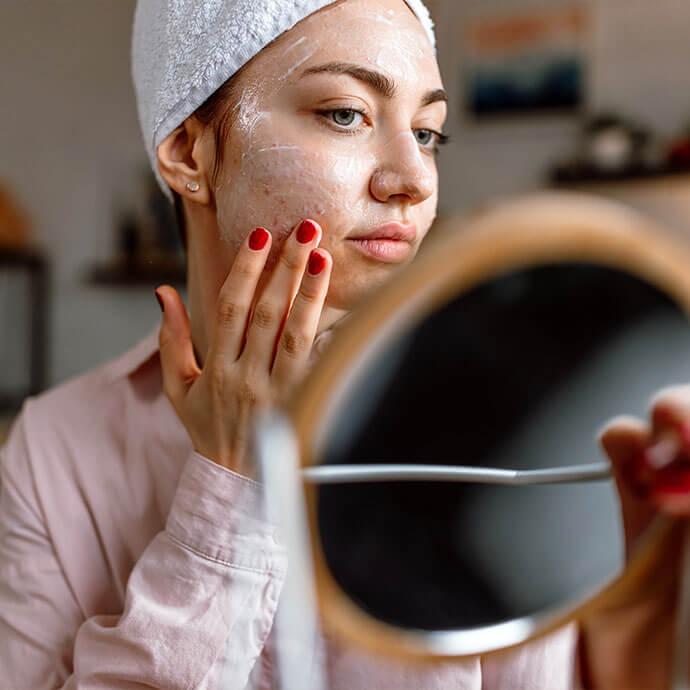
Photo by J_art / Getty Images
When it comes to pimples and zits, understanding how they form and their root cause is key to eliminating them all together. And though more and more information has become available to the average person over the years, thanks to the rise and access of social media, there is still so much that’s misunderstood about these annoying bumps.
“While pimples come up overnight, they can have started as a micro blockage of a pore up to a month and a half ago,” explains dermatologist Dylan Greeney, MD. “Generally, the blockage of a pore is the start of oil buildup behind the blockage,” he adds. Basically, when bacteria that’s sitting on the skin absorbs excess oil, it creates inflammation, aka the red, bumpy, raised bits on our skin that we call zits. The good news is treatment can help prevent bacteria buildup—but not all pimples are created equally.
Here is everything you need to know about each type of pimple that can occur and how best to get rid of it as soon as possible, according to Dr. Greeney.
It's about glam time you treated yourself.
Join IPSY
MEET THE EXPERT
Dylan Greene, MD, is a board-certified dermatologist based in Indiana. He shares skincare advice to his more than 300,000 followers on TikTok.
How Long Does Every Type of Pimple Last
Whiteheads
Whiteheads can be clarified by their name. Unlike the average zit, whiteheads will not appear bright red or irritated. These bumps are usually tiny and don’t hurt when you have them. “When these finally open and are exposed to the air, they can turn into blackheads once our skin oil (sebum) is exposed to air and oxidized,” explains Dr. Greeney. “These can stay on your skin for weeks but don't often produce scarring.”
If you have whiteheads present, Dr. Greeney says the treatment key is to prevent the blockages occurring in your skin cells. Applying adapalene nightly (a type of topical retinoid) is one of his go-to recommended treatments. When paired with a salicylic acid gel cleanser, like KATE SOMERVILLE® EradiKate Clarifying Blemish Gel Cleanser, they will help slough off dead skin cells and clear up excess oil in the skin to prevent future blockages, according to Dr. Greeney.
Papules
Papules are small pink bumps that aren’t quite a pustule, though Dr. Greeney says they can transform into one over time. They might also be itchy and can be tender and can last anywhere from a few days to weeks. Hydrocolloid pimple patches (like ZITSTICKA Surface Zit Hydrocolloid Patch) as well as retinoids (we love MURAD Retinol Youth Renewal Night Cream for retinoid beginners!) can help prevent papules from turning into pustules, and can help eliminate them altogether in just a few days.
Pustules
Pustules are similar to whiteheads, according to Dr. Greeney, however, they will appear slightly more irritated and will contain pus. Pustules are essentially the next severity level up from whiteheads and papules.
“Pustules tend to come and go,” says Dr. Greeney. “Some resolve over just a few days, but others can last up to two weeks.” For pustules, he recommends hydrocolloid patches as your first sign of defense. “The best thing you can do is quickly apply a hydrocolloid patch at the first sign of a pustule,” he says, since they “draw out inflammatory fluid like a sponge, helping [them] heal faster. As a bonus, patches will also help keep you from picking at or touching the zit, which can make it further irritated. Make sure to use a gentle cleanser to keep future bacteria at bay.
Nodules/Cysts
Nodulocystic acne is one of the most severe forms of acne, says Dr. Greeney. “These are deep, painful bumps underneath the skin. Sometimes, people refer to them as blind pimples because they don't seem to have an opening to the surface, and inflammation and buildup occur deep beneath the skin,” he says.
Unfortunately, these types of acne lesions can last for weeks or even months on the skin, and scarring is a major concern if these are present. If you’re unsure, Dr. Greeney says that dermatologists can help evaluate and treat this type of acne to get you on a regimen that stops oil production and bacteria buildup. In some cases, prescription treatments may be necessary.
“Since this is the worst type of acne, you have to hit it with everything you got,” says Dr. Greeney. “I would use both a benzoyl peroxide cleanser to reduce bacteria [and] consider rotating with a great salicylic acid cleanser, such as RODIAL Pink Diamond Salicylic Acid Gel Cleanser, to prevent pore blockages,” he says. From there, use an adapalene treatment at bedtime. “However, after three to four months, if your skin isn't getting better, get to a dermatologist,” he says.
Final Thoughts
Different types of pimples will vary in severity, and the guide above is a helpful place to start when determining if you can treat your pimples at home. A good rule of thumb comes from Dr. Greeney’s advice above. If your acne has persisted without improvement for over three to four months, a dermatologist might be needed to help you target the problem with further treatments or prescription creams.
Liked this post? Share!
Related Stories


Skin
Your Thanksgiving Feast Just Got a Skin-Loving Glow-Up
7 min read


Skin
Is Yellow Light Therapy the Next Big Thing in Skincare?
5 min read


Skin
Sculptra Curious? Here’s Everything You Need to Know Before Trying It
6 min read


Skin
Your Hands Are Getting a Skincare Routine Now
4 min read


Skin
Wait, Why Are Sliced Eye Patches Suddenly Everywhere?
3 min read


Skin
What Is Collagen Banking—and Does It Actually Work?
6 min read


Skin
What Do Beauty Certifications Actually Mean? Experts Break It Down
6 min read


Skin
What Is Spironolactone? Everything to Know About Taking It for Acne
4 min read
Beauty Picked Just for You
Get 5 products worth up to $70
Exclusive access to epic deals up to 80% off
Starting at just $15/month. Cancel anytime.