Squalane vs Hyaluronic Acid: Why They’re a Dream for Dry Skin


Deanna Pai


If you’re into skincare—like, really into it—then you’re probably already aware of the benefits of hyaluronic acid and squalane. Just like retinol and vitamin C, these skincare ingredients can be game-changers, especially for dehydrated skin (although all skin types can take advantage of their beautifying properties).
So—what’s the difference between squalane vs hyaluronic acid? While they do have some properties in common (such as the ability to smooth fine lines and wrinkles and boost skin hydration), they each play an important and different role in your skincare repertoire. Here’s what you need to know about these hydrating ingredients—and how you can make the most of them in your own skincare routine.
It's about glam time you treated yourself.
Join IPSY
MEET THE EXPERT
Hadley King, MD, is a board-certified dermatologist who specializes in medical and cosmetic dermatology. She is also a clinical instructor of dermatology at the Weill Medical College of Cornell University.
What Is Squalane and Its Benefits?
Before we talk about squalane, it helps to have some background knowledge on squalene oil, which is a natural component of skin sebum—a.k.a. your skin’s natural moisture. It hangs out in your lipid barrier where it helps retain youd skin’s moisture and contribute to a smooth texture.
Squalane, on the other hand, has gone through a hydrogenation process to have a longer shelf life, according to New York City dermatologist Hadley King, MD, which is why it’s a winner in skincare products. Plus, the benefits of squalane are abundant. “It is a great emollient, which makes it an important part of a good moisturizer and able to help in skin barrier function,” she says. “It is also non-comedogenic, which makes it suitable for use on all skin types, and it has antioxidant and anti-inflammatory properties as well.” So, if you have acne-prone skin, it’s a great non-irritating option to consider.
As an antioxidant, it can help protect your skin from free radicals which may destroy collagen and form dark spots on the complexion when left unchecked. “And because it also has anti-inflammatory properties, it can help soothe inflammatory skin conditions such as eczema, psoriasis, rosacea, and inflammatory acne,” Dr. King says. You’ll most often find it as a lightweight oil or in moisturizers, and because it’s so fluid, it’s great even for those with oily skin or a history of breakouts.
While squalane oil had a shady history of being sourced from shark liver, most versions on the market are plant-derived, such as sugarcane (as is the case with skincare brand BIOSSANCE) and the olive plant.
Our Top Squalane Picks
1. FEEL BEAUTY Bright Daily Squalane + Facial Oil
If you don't love oils, allow this lightweight formula to change your mind. It pairs squalane with rosehip and avocado oils to brighten and soften skin. "Absolutely love this light moisturizer that leaves your skin hydrated all day," says one Ipster.
2. CLARITYRX Nourish Your Skin Squalane Moisturizing Oil
It's all about squalane in this formula—in fact, it's the star ingredient. The non-greasy formula also absorbs quickly into skin to moisturize and support the barrier.
3. LUÉ BY JEAN SEO Restore Protecting Moisturizer
Not only do you get squalane in this moisturizer, which is nourishing without feeling heavy, but it also features raspberry seed oil, which is jam-packed with fatty acids and vitamins. Together, they keep skin radiant and smooth.
What Is Hyaluronic Acid and Its Benefits?
For the uninitiated, “hyaluronic acid is a powerful humectant,” says Dr. King. “It can hold 1000 times its weight in water.” Basically, its job is to wrangle water molecules and help skin retain them, replenishing it in the process. The end result? Skin that immediately looks plump with improved elasticity, and that’s more hydrated overall.
That said, as it’s a magnet for water, hyaluronic acid is better suited in certain conditions. “Because it is a powerful humectant, hyaluronic acid is a great topical hydrator, as long as either the environment is humid, or you combine it with emollients and occlusives to lock in the hydration so the air doesn't pull water out of the skin,” says Dr. King.
That’s why you can usually find it in a hyaluronic acid serum; the intention is you use it under a moisturizer or face lotion, which can help seal it into skin.
Our Top Hyaluronic Acid Products
1. STUDIOMAKEUP Hyaluronic Acid Rejuvenating Serum
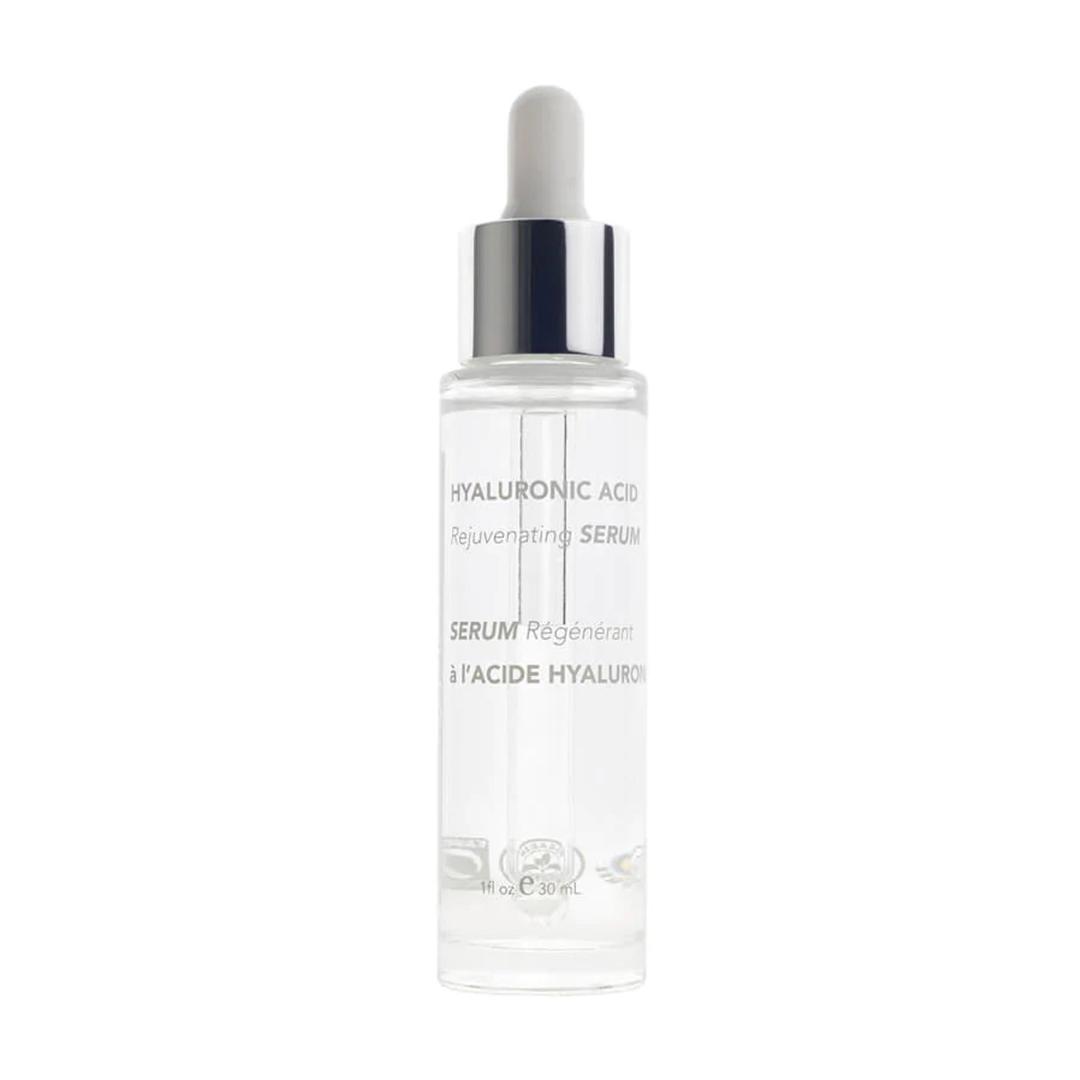
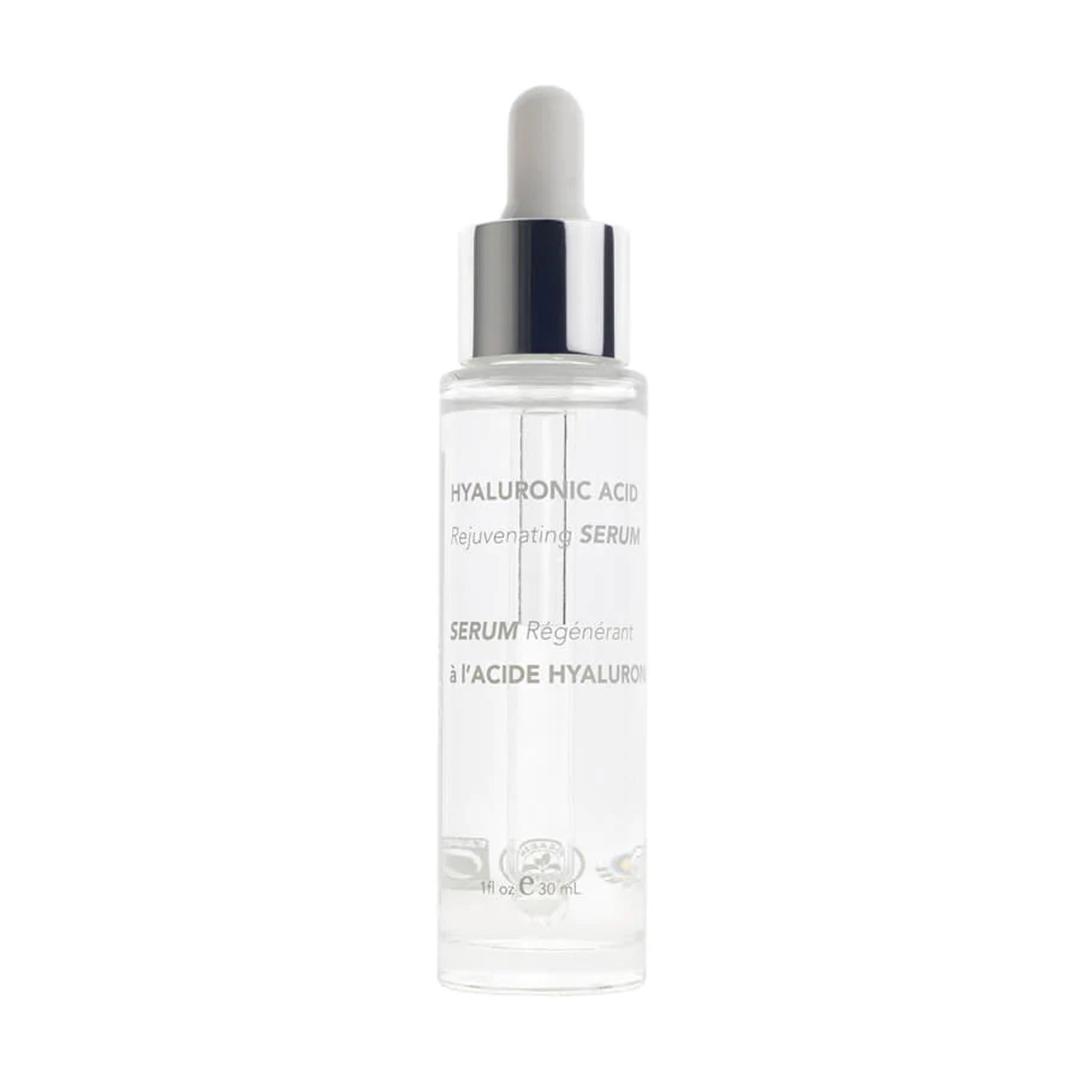
Layer this lightweight serum under your moisturizer or face oil for an instant hydration boost—a.k.a. smoother, plumper skin. Even better? A little goes a long way, so the small bottle will last you.
2. 111SKIN Hyaluronic Acid Aqua Booster


The strategic serum pairs hyaluronic acid with niacinamide to add extra moisture and help keep that newfound hydration trapped in skin.
3. CLARITYRX Daily Dose of Water ™ Hyaluronic Acid Hydrating Serum


Dull skin doesn't stand a chance against this serum, which leaves skin bouncy and more radiant.
What Is the Difference Between Squalane and Hyaluronic Acid?
Hyaluronic acid, which often appears as sodium hyaluronate on ingredient lists, is also a humectant. “Humectants, like hyaluronic acid and glycerin, are mostly low molecular weight substances that bind water into the stratum corneum,” Dr. King says. “They need to be used along with the other components in order to retain the water content.”
Meanwhile, squalane is an emollient. “These help in skin barrier function, membrane fluidity, and cell signaling, leading to overall improvement in skin texture and appearance,” she says. These essentially fortify and fill in any gaps in your protective barrier, which in turn helps keep that water in your skin.
Can I Use Squalane and Hyaluronic Acid Together?
Yes, you can and you should! It’s a perfect match, since the squalane is actually necessary in order to reap all the benefits of hyaluronic acid. The combination is “particularly helpful for dry skin, but all skin types can benefit from hydration and support of the skin barrier, particularly in dry environmental conditions,” says Dr. King. And with winter in the near future, it’ll be a winning pair to keep skin hydrated and healthy through spring.
Want to discover more incredible skincare ingredients? Take our Beauty Quiz now to get started. Already an Ipster? Refer your friends to earn points, which you can use toward products. Either way, don’t forget to check us out on Instagram @IPSY.
Like this article? Share it with your friends by clicking the icons below!
Liked this post? Share!
Related Stories


Skin
What Do Beauty Certifications Actually Mean? Experts Break It Down
6 min read


Skin
What Is Spironolactone? Everything to Know About Taking It for Acne
4 min read


Skin
Hilary Duff Looks Exactly Like She Did 20 Years Ago—Here's Why
3 min read


Skin
What Is a DiamondGlow Facial? Everything to Know Before You Book
4 min read


Skin
10 Tiny Skincare Habits That Can Make a Big Difference
4 min read


Skin
Beauty Has Officially Gone Bananas—Here Are 10 Products to Try
4 min read


Skin
Your Back-to-School Beauty Reset Starts Here
3 min read


Skin
8 Common Sunscreen Mistakes (and How to Avoid Them)
4 min read
Beauty Picked Just for You
Get 5 products worth up to $70
Exclusive access to epic deals up to 80% off
Starting at just $15/month. Cancel anytime.