This Is How People Are Using Retinol Without Peeling


Dahvi Shira
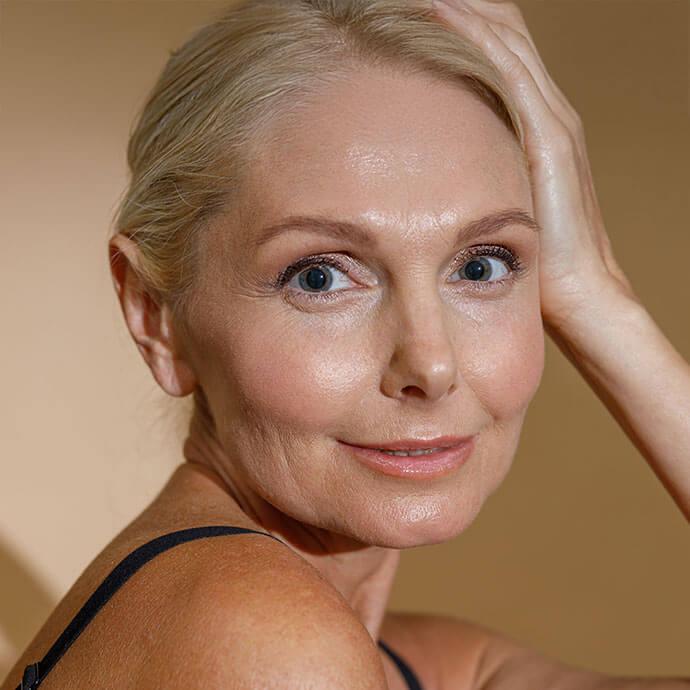
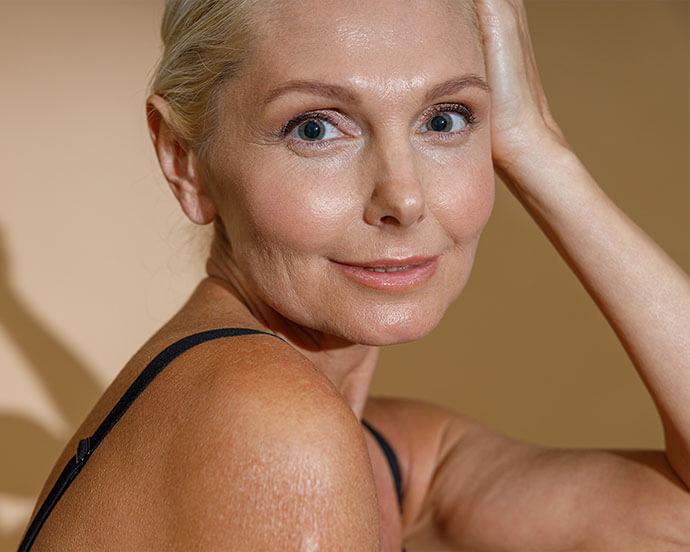
Photo by Creative Credit / Getty Images
Retinol is nothing new, butas formulations become more advanced, our techniques for application are constantly adapting. Known for targeting signs of aging, dead skin cells, dark spots, brightening, crow’s feet, and skin texture, formulas are now often infused with moisturizer to prevent peeling, one of the most common side effects. Some brands even opt for bakuchiol, which is known to be the plant-based, gentler cousin of retinol. But the latest movement in retinol application? Microdosing. It’s the best way to ease yourself into a new retinol routine, especially if you’re a little nervous.
Any dermatologist will tell you the benefits of retinol are crucial to the average person’s skincare routine. Only thing is, retinol isn’t one-size-fits-all. The specific retinol product you implement into your routine, along with how you apply it to the skin surface is key to your own individual outcome.
If you’re a first-time user, potential side effects do apply. If you want your skin feeling (and looking) good, keep reading for our pro tips to retinol microdosing like a pro.
It's about glam time you treated yourself.
Join IPSY
MEET THE EXPERT
Violeta Borcan is an esthetician at Body+Beauty Lab in West Palm Beach, FL.
What Does “Microdosing Retinol” Mean?
As the word “micro”-anything suggests, retinol microdosing means “using small amounts of retinol or applying it less frequently in order to achieve results while minimizing irritation,” esthetician Violeta Borcan says. “This approach allows the skin to adjust gradually, helping protect the skin barrier while still improving texture, tone, acne, and the appearance of fine lines.”
Why It’s Trending
When retinol first gained mass popularity toward the end of the 2010s, there wasn’t much warning or nuance attached to the game-changing ingredient. Most products came in serum form and encouraged post-moisturizer application. But with everyone’s skin being different, usage should differ, too. And thanks to the rise of sensitive formulas, along with TikTok creators and derms sharing “retinol calendars,” the concept of retinol microdosing is front and center.
“Retinol microdosing is trending because people want visible results without redness and peeling,” explains Borcan. “A growing focus on skin barrier health, increased skincare education on social media, and irritation caused by overusing active ingredients have pushed consumers toward gentler, smarter ways to use retinol.”
Find Your Retinol Microdose Schedules
Not all retinol microdosing is created equal. Below is what Brocan recommends, depending on your skin type or experience with the ingredient.
2x-Week Method:
This involves using retinol only twice per week to slowly build skin tolerance over time. An excellent beginners-level retinol we recommend is the COCOKIND Beginner Retinol Gel 0.1%. It’s as easy on the skin as it is on the wallet.
Buffer-Night Method:
This means applying retinol after moisturizer, which helps reduce its strength and minimize irritation. Our nighttime moisturizer of choice? The PERRICONE MD Essential Fx Acyl-Glutathione Intensive Overnight Moisturizer.
Sandwich Method:
This layers moisturizer, retinol, and then another layer of moisturizer to provide maximum barrier protection while still allowing the retinol to work. A solid moisturizer we recommend for this method is the GROWN ALCHEMIST Regenerating Face Moisturizer.
Pairing Ingredients for Comfort
There are some ingredients that pair better with retinol than others. Particular inclusions can amplify retinol’s benefits or help with the soothing process. Below, Borcan explains why each is a strong pairing.
Ceramides are recommended because they help repair and strengthen the skin barrier. Our rec? The MURAD Cellular Hydration Barrier Repair Sleep Mask.
Peptides support collagen production and overall skin repair. The KEYS SOULCARE Truly Becoming Multi Benefit Peptide Serum is a great place to get your peptide start.
Squalane replenishes moisture without clogging pores, making it ideal for maintaining hydration.
Panthenol helps soothe the skin, improve hydration, and reduce irritation associated with retinol use.
Retinol Microdosing Mistakes to Avoid
If you’re nervous about your retinol use, rest assured it’s less complicated than you think. Just keep a keen eye on mistakes to avoid.
Mixing With AHA
AHA (alpha-hydroxy acids) are great for exfoliation and cell turnover, but combining them with retinol can lead to over-exfoliation and irritation. Don’t do your routine a disservice by applying both simultaneously.
Over-Application
Retinol often comes in forms like oil or cream, which are typically harmless when applied generously. It’s important to not be fooled by consistency—retinol should be applied cautiously. When you use it too much, that’s when your skin starts to flake and other sensitivities arise.
Moisturizing Infrequently
This is key to note! Moisturizer is imperative to a retinol routine because it cushions the formula with moisture. If peeling or flakiness takes hold, the moisturizer should be able to shield the results. Another moisturizer we stand by is the KORRES Santorini Grape Poreless Skin Cream. It glides onto our skin effortlessly, creating the softest, dewiest finish.
Who Should Microdose vs. Not
There are some skin types that will benefit from a gentle retinol routine, while others should avoid retinol use altogether. If you’re unsure, see our expert guide below.
Sensitive Skin: Yes
“Individuals with sensitive or dry skin will benefit,” Borcan says. “Using smaller amounts or applying retinol less frequently helps minimize redness, flaking, and discomfort while still delivering benefits over time.”
Mature Skin: Yes
Borcan explains that “The skin barrier may already be more fragile and slower to recover, making a gentler, more controlled approach to retinol both safer and more sustainable.”
Retinol Newbies: Yes
“Retinol microdosing is especially appropriate for beginners, as it allows the skin to gradually acclimate to retinol without overwhelming it or triggering excessive irritation,” Borcan says.
Acne-Prone: Maybe
If the skin is experiencing a flare-up (this also includes eczema or rosacea), Borcan says “retinol can further irritate already inflamed skin and worsen symptoms.”
Retinol Veterans: Optional
If your skin has been proven to tolerate retinol, you can microdose if you’re trying a new product or they just prefer to go lighter. But it’s really up to personal preference. If results are happening and sensitivities aren’t present, it’s totally your call.
Pregnant or Breastfeeding: Never
Borcan notes there are safety concerns around all retinoids when it comes to pregnancy and post-partum. And consider this your reminder to consult a physician before using any skincare products when it comes to the above.
Final Thoughts
Retinol is one of the more intimidating (yet effective) skincare ingredients on the market. Remarkable results don’t come at times without peeling, redness, or flakiness. But thanks to TikTok and the general progression of skincare, retinol microdosing has been introduced to the present-day lexicon, as a way to use the powerful vitamin A with caution. Depending on your skin type or situation, there’s a microdosing method that’s right for you. For more on retinol and products fit for your skin, check out the IPSY Shop.
Liked this post? Share!
Related Stories


Skin
What Do Beauty Certifications Actually Mean? Experts Break It Down
6 min read


Skin
What Is Spironolactone? Everything to Know About Taking It for Acne
4 min read


Skin
Hilary Duff Looks Exactly Like She Did 20 Years Ago—Here's Why
3 min read


Skin
What Is a DiamondGlow Facial? Everything to Know Before You Book
4 min read


Skin
10 Tiny Skincare Habits That Can Make a Big Difference
4 min read


Skin
Beauty Has Officially Gone Bananas—Here Are 10 Products to Try
4 min read


Skin
Your Back-to-School Beauty Reset Starts Here
3 min read


Skin
8 Common Sunscreen Mistakes (and How to Avoid Them)
4 min read
Beauty Picked Just for You
Get 5 products worth up to $70
Exclusive access to epic deals up to 80% off
Starting at just $15/month. Cancel anytime.