Sensitive or Reactive? Let’s Get Real About What’s Going On With Your Skin


Brittany Leitner


Those with sensitive skin know that winding down with a nightly skincare routine can cause more stress than relaxation, especially when you never know what ingredients are going to set off your skin. But having sensitive skin doesn’t mean you have to keep things as simple as possible in your beauty cabinet; you just need to know which ingredients aren’t going to mesh well with your skin. Of course, this can be done through trial and error, but the most efficient way to figure out skincare for sensitive skin is to work closely with your dermatologist, who can help you understand hidden allergies and/or help you understand how different ingredients in your products are reacting together, which could be causing a hidden layer of sensitivity.
But even if you’re not known for having sensitive skin, you can still have a skincare reaction or flare up every now and then. That’s why it’s important to know the difference between sensitive and reactive skin. And remember the age-old grade school lesson that taught us all rhombuses are squares but not all squares are rhombuses? This skin comparison is kind of like that.
It's about glam time you treated yourself.
Join IPSY

MEET THE EXPERT
Joshua Zeichner, MD, FAAD, is a board certified dermatologist based in New York City.
What Is Sensitive Skin?
Define sensitive skin, discussing how it reacts to external stimuli, including products, weather, or environmental factors. Mention common signs like redness, stinging, or irritation. To explain a little more about what makes skin sensitive specifically instead of reactive, we reached out to dermatologist Joshua Zeichner, MD, FAAD, to break it down.
“Sensitive skin is a condition where the skin is intolerant and reactive to skincare products,” explains Dr. Zeichner. He says signs of sensitive skin often include burning, stinging, and swelling, and even less alarming signs like redness. Unfortunately, skin sensitivity is determined by genetics, so if you have it, there’s not much you can do to eradicate the problem forever; you’ll have to adjust the products you’re using.
“Some people have a skin barrier that is not as strong as others, plus some people have an immune system that reacts to environmental triggers more than other people's,” explains Dr. Zeicher. “Ingredients like retinoids, exfoliating acid, vitamin C, or even certain fragrances or preservatives can lead to irritation or allergic reactions in people who are sensitive,” he adds.
How to Tell If You Have Reactive vs. Sensitive Skin
According to Dr. Zeichner, all people who have sensitive skin are reactive but not all reactive people are sensitive. “Reactive skin refers to individuals who have a reaction in direct response to a particular ingredient,” says Dr. Zeichner. Reactive skin can also be more localized and immediate; you’ll be able to see redness or feel burning or itching at the place where you applied a particular ingredient.
“Sensitive and reactive skin are similar and overlapping skin types,” adds Dr. Zeichner. “People who are sensitive are genetically predisposed to be reactive to a variety of skincare products and environmental exposures.” Sensitive skin will be more chronic and all-over, whereas reactive skin is usually more localized and goes away when you’re not immediately applying an ingredient.
The Best Way to Care for Sensitive Skin
Provide tips for caring for sensitive skin, such as using fragrance-free, gentle products and opting for soothing ingredients like chamomile or aloe vera. Mention products with calming properties and avoid known irritants like alcohol or harsh exfoliants.
Dr. Zeichner says there a few key things you need to do to manage sensitive skin:
Stick to Gentle, Hydrating Cleansers: If a cleanser is gentle, it should say so on the packaging. A gentle cleanser basically refers to a cleanser that helps to remove dirt, makeup, and debris without stripping your skin of necessary oils. We’re huge fans of the SATURDAY SKIN Rise + Shine Gentle Cleanser that gently exfoliates with fruit extracts.
Avoid Fragrances in You Skincare: This should be a general, overall rule for anyone dealing with skin sensitivity. Dr. Zeichner recommends fragrance-free moisturizers for maintaining skin barrier health. We love the BYROE Kale Hydrating Gel Moisturizer for lightweight summer wear.
Avoid Harsh Ingredients: If you have sensitive skin, Dr. Zeichner suggests staying away from stronger, trendier ingredients like AHAs and BHAs, or even retinol. Make sure to talk to your dermatologist before adding a retinol into your routine, as they can help manage your skin’s reactiveness to this harsher ingredient.
Look for Hypoallergenic Sunscreens: Choosing the gentle SPF option in your skincare routine shouldn’t stop at cleansers and moisturizers. Dr. Zeichner loves the EUCERIN Advanced Hydration Face SPF 50 for those with sensitive skin. “It not only provides effective, broad spectrum UV protection, but also has been shown in clinical trials to moisturize the skin in people who are known to be dry or sensitive,” he says.
Managing Reactive Skin
Managing reactive skin can feel like navigating a maze, but with the right approach, you can keep those flare-ups under control. The key is consistency and a little detective work. Start by patch-testing any new products before fully committing them to your routine. This simple step can save you from unexpected redness or irritation.
It’s also important to identify and avoid your known triggers. Whether it’s a specific ingredient, a certain type of fabric, or even environmental factors like extreme weather, knowing what sets your skin off is half the battle. Keep a skincare journal to track how your skin reacts to different products and situations—it’s like a diary for your skin’s mood swings.
When a flare-up does happen, don’t panic. Reach for products with soothing ingredients like colloidal oatmeal, aloe vera, or calendula to calm the irritation. A cold compress can also work wonders to reduce redness and swelling. And remember, your dermatologist is your best ally for managing reactive skin. They can help you pinpoint triggers and recommend treatments tailored to your skin’s unique needs.
By staying proactive and gentle with your skin, you can manage reactivity without sacrificing your skincare goals. After all, your skin deserves the same love and care you give to the rest of yourself.
Liked this post? Share!
Related Stories


Skin
Your Thanksgiving Feast Just Got a Skin-Loving Glow-Up
7 min read


Skin
Is Yellow Light Therapy the Next Big Thing in Skincare?
5 min read


Skin
Sculptra Curious? Here’s Everything You Need to Know Before Trying It
6 min read


Skin
Your Hands Are Getting a Skincare Routine Now
4 min read


Skin
Wait, Why Are Sliced Eye Patches Suddenly Everywhere?
3 min read


Skin
What Is Collagen Banking—and Does It Actually Work?
6 min read


Skin
What Do Beauty Certifications Actually Mean? Experts Break It Down
6 min read


Skin
What Is Spironolactone? Everything to Know About Taking It for Acne
4 min read
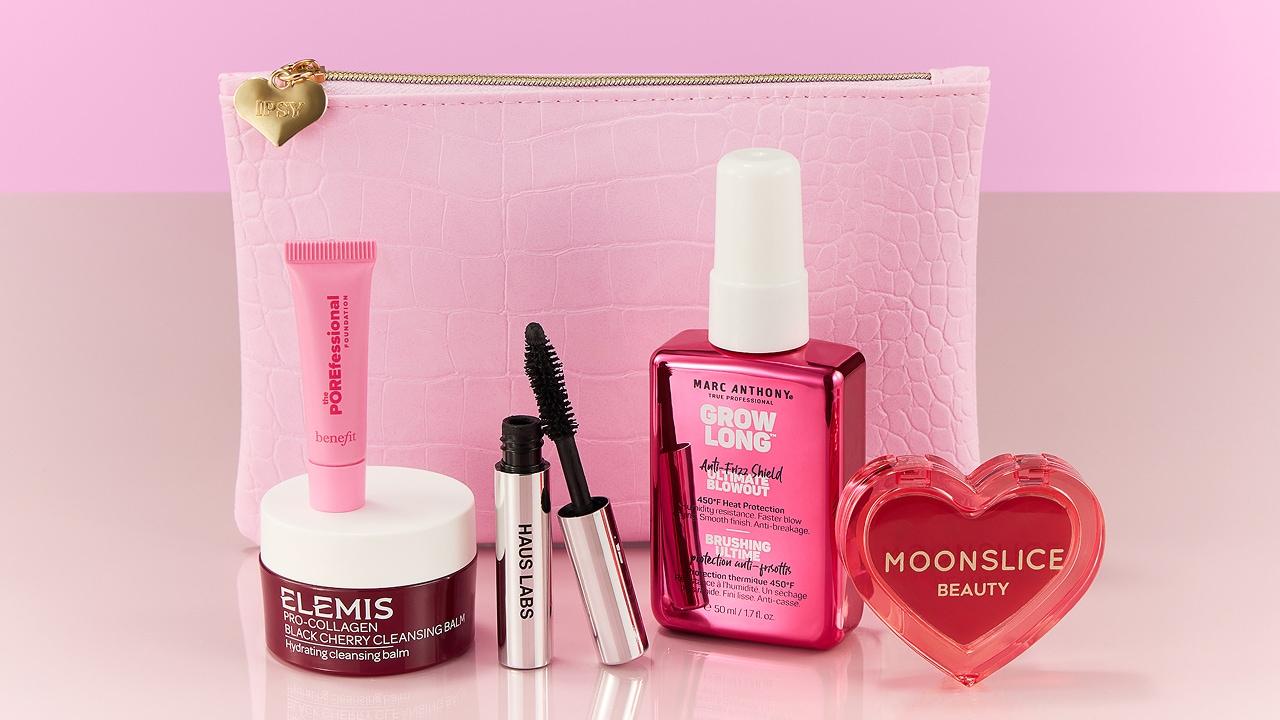
Beauty Picked Just for You
Get 5 products worth up to $70
Exclusive access to epic deals up to 80% off
Starting at just $15/month. Cancel anytime.