How to Give Scalp Acne the Boot Once and for All


IPSY Editors

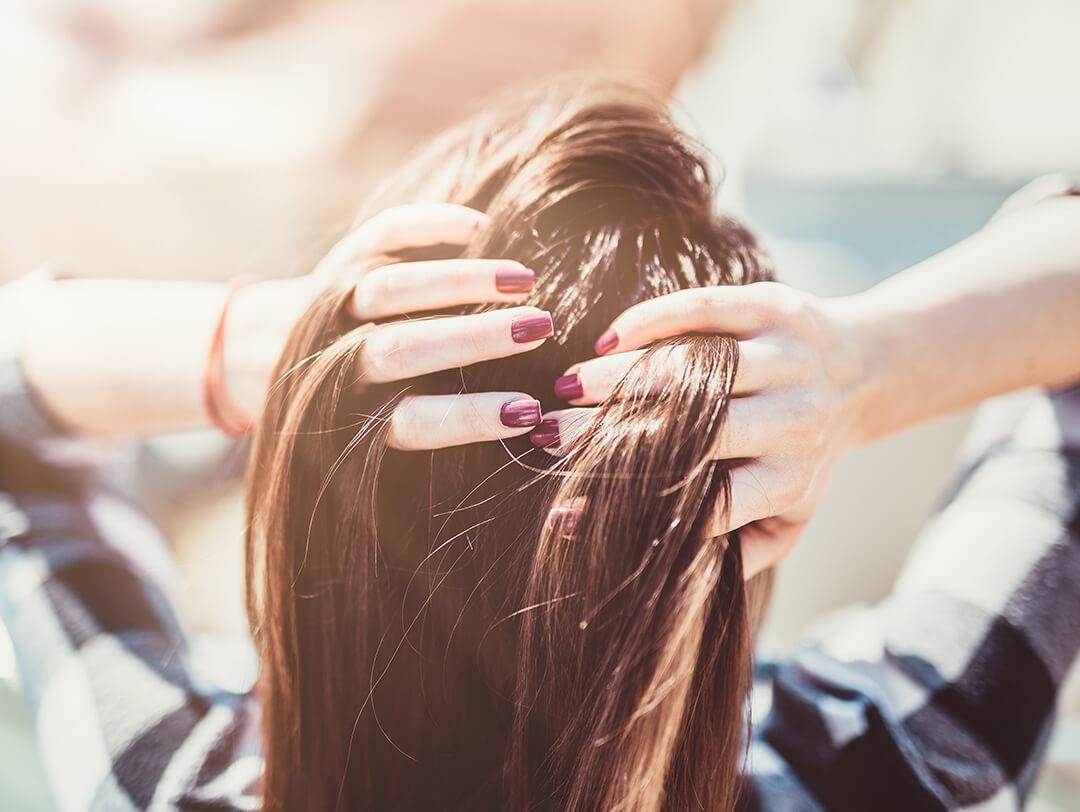
As much as we wish it wasn't so, breakouts can happen all over the body. You've probably had blemishes show up on your chest or back, but acne can also occur on the scalp area as well. Whether scalp acne is new for you or you've been dealing with it for a while, there are a handful of things you can do to both treat and prevent this type of body breakout.
First things first, though: The scalp acne you're experiencing may not technically be acne at all, but something called folliculitis: a skin condition that occurs when a hair follicle is inflamed.
But we have good news for you: There is a lot of overlap when it comes to treating and preventing scalp acne and folliculitis. Both of these skin conditions are extremely common and often treatable with over-the-counter products (so go ahead and breathe a sigh of relief—phew!). Below, we'll dive into what the difference is between the two as well as how you can treat and prevent scalp acne.
It's about glam time you treated yourself.
Join IPSY
MEET THE EXPERT
Doris Day, MD, is a board-certified dermatologist specializing in laser, cosmetic, surgical, and aesthetic dermatology.
What is scalp acne?
"Your scalp is covered in hair follicles and at the base of the follicle are oil glands," explains dermatologist Doris Day. "These can become clogged and if there is c. acnes [cutibacterium acnes] bacteria at the base of the follicles, the bacteria will start to overgrow and create the process of acne. More commonly, though, is something called folliculitis, which is an inflammation of the follicle."
Similar to acne, scalp folliculitis can swell up and become red, resembling facial acne. However, the two skin conditions differ in a key way: Acne breakouts are filled with oil, bacteria, and dead skin cells, whereas "folliculitis is not based on the presence of that particular [acne] bacteria," says Dr. Day. Instead, she says there may be yeast or other microbes involved that are causing the inflammation.
What causes scalp acne?
Like facial acne, breakouts can arise for a wide variety of reasons. Here are a few of the most common causes:
Excess sebum (oil) and/or product buildup on your scalp
Washing hair too infrequently
Wearing tight-fitting hats and beanies too often
Genetics (some of us just happen to be more acne-prone than others)
How do I prevent scalp acne?
As always, the best way to treat a skin condition is to avoid letting it become too much of a problem in the first place. Here are a few ways you can avoid scalp acne.
1. Look for non-comedogenic hair care products: Products like shampoos and conditioners with sulfates and oil-based pomades are known to be comedogenic (pore-clogging). To avoid scalp breakouts, it's best to always keep your hair care products as clean and lightweight as possible. Don’t worry, once you get in the habit of looking for “non-comedogenic” on the label, this step will be super easy.
2. Exfoliate your scalp: Flare-ups around the scalp can often be caused by buildup left by heavy hair products and products like dry shampoos and hairspray. To remove buildup and keep your scalp healthy, try incorporating an exfoliating shampoo like the BRIOGEO HAIR CARE Scalp Revival Charcoal + Coconut Oil Micro-Exfoliating Shampoo into your hair care routine. Charcoal helps to draw impurities from the scalp and hair follicles while gentle micro-exfoliators remove dead skin cells and all traces of product buildup (which is an absolute must if you’re on day-three hair!).
Just keep in mind that it's important not to use physical exfoliators if you are currently experiencing folliculitis, as they can make your skin more irritated.
3. Try shampooing more frequently: Determining exactly how often you should wash your hair is something of an art. Using shampoo too often can strip your hair of much-need moisture, while not washing enough can cause your scalp to become too oily which, in turn, can lead to scalp acne. If you currently shampoo your hair only a few times per week, try upping the frequency until your breakouts clear and you find the right balance for you.
It's also always good practice to wash your hair after a sweaty workout. Just like the rest of your body, your scalp sweats, too. Letting the sweat sit on your scalp too long can clog pores and hair follicles and cause unwanted irritation.
4. Cut down on wearing tight-fitting hats: Trust us, we think beanies look cute on you, too—but the reality is that hats like beanies and tight-fitting baseball caps can cause friction that have the potential to irritate the scalp. Hats can also lead to a sweaty scalp which, as we now know, can spark a breakout.
How to Get Rid of Scalp Acne
Sometimes you feel like you’ve done absolutely everything you could do to prevent scalp acne, but it shows up uninvited anyway. If that happens, here are a few ways to give it the boot.
1. Use a medicated shampoo: When you're experiencing a flare-up, look for shampoos that come with antibacterial and anti-inflammatory benefits. Dr. Day suggests looking for "shampoos containing ketoconazole, zinc pyrithione, and salicylic acid as well, ideally in formulations designed for use on the scalp."
2. Use an acne-fighting face wash: If your zits are primarily around the hairline, try using a cleanser that is designed for acne-prone skin. A formula like the MURAD Clarifying Cleanser is a good place to start, as it includes two types of salicylic acid to treat blemishes immediately and throughout the day.
3. Use a topical treatment: When you're dealing with an active blemish, applying a targeted spot treatment to it can help to kill germs, fight redness, and reduce the blemish's size. MURAD's Rapid Relief Acne Spot Treatment is a classic go-to with 2% salicylic acid. Ingredients like benzoyl peroxide and diluted tea tree oil can also work as spot treatments.
Another option is to regularly use glycolic acid on the skin around the hairline to gently exfoliate the area and slough away any dead skin cells.
4. Visit a dermatologist: If your scalp breakouts are persistent or you are having a hard time differentiating between conditions like scalp acne, folliculitis, and dandruff, "It's important to see a board-certified dermatologist for proper evaluation and treatment," Dr. Day says. They will be able to properly diagnose the skin condition you're dealing with and, in more severe cases, they may also prescribe oral antibiotics rather than a topical skincare solution.
Want in on all the IPSY Glam Bag fun? Take our Beauty Quiz now to get started. Already an Ipster? Refer your friends to earn points, which you can use toward products. Either way, don’t forget to check us out on Instagram and Twitter @IPSY.
Liked this post? Share!
Related Stories


Hair
Love It or Hate It, Crimped Hair Is Officially Making a Comeback
3 min read


Hair
The Tiny Hair Product We Suddenly Can’t Live Without
4 min read


Hair
Your Skin Tone Might Be the Secret to Your Best Hair Color Yet
4 min read


Hair
What Is Hair Perfume—and Is It Actually Better for Your Hair?
4 min read


Hair
Zendaya Just Made the Pixie Cut the Haircut of the Moment
5 min read


Hair
No More Hiding, We're Gray Blending Now
6 min read


Hair
Your Blowout Brush Might Be Damaging Your Hair—Here’s How to Fix It
3 min read


Hair
The Best Makeup Colors for Redheads, According to an Expert
4 min read
Beauty Picked Just for You
Get 5 products worth up to $70
Exclusive access to epic deals up to 80% off
Starting at just $15/month. Cancel anytime.