Wait, Are We All Using Cushion Foundation Now?


Dahvi Shira
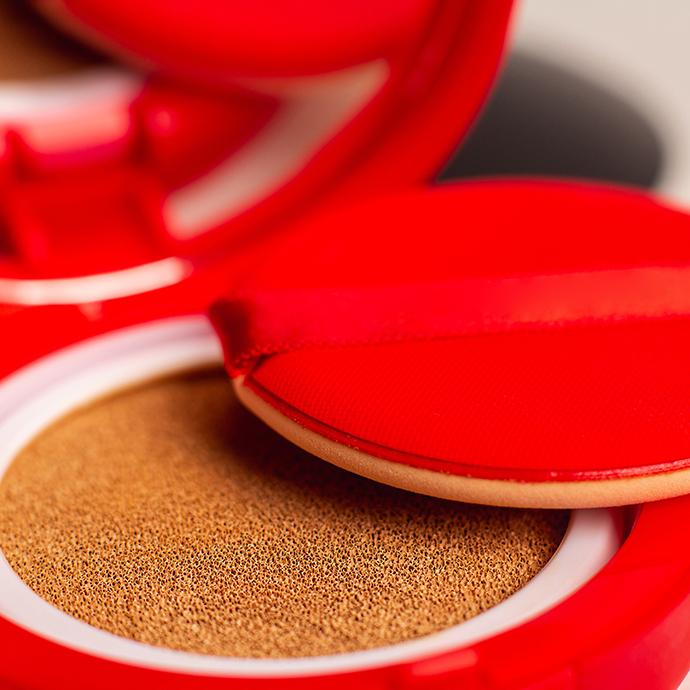
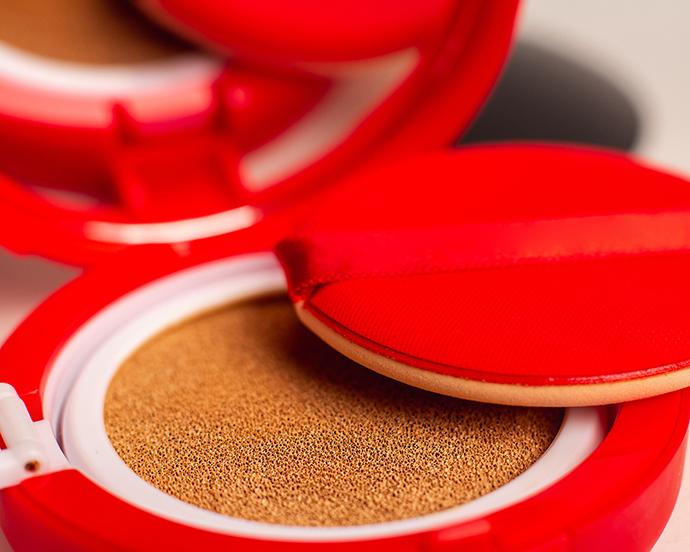
Photo by zsv3207/Getty Images
We remember the positive uproar TIRTIR caused when it launched its signature Mask Fit Red Cushion Foundation in the states, early 2024. The international momentum even led BTS member V to sign on as global brand ambassador a year later.
But since that monumental moment, cushion foundations in the U.S. have been on the rise. From fellow K-beauty brands JUNG SAEM MOOL, YEPODA, and HERA, to luxury mainstay YSL BEAUTY, this alternative to traditional liquid foundation is continuing to grow in popularity. But with a round puff applicator and saturated spongy cover, the foundation’s application process could seem confusing if you’re not used to it.
To help us understand cushion foundation formulas and application process more clearly, we spoke to Lucile Bonnin, Head of Product Development at YEPODA Korean beauty, and Los Angeles-based celebrity makeup artist Sophia Porter.
It's about glam time you treated yourself.
Join IPSY
MEET THE EXPERT
Lucile Bonnin is the Head of Product Development at YEPODA Korean beauty.
Sophia Porter is a Los Angeles-based celebrity makeup artist.
What’s Cushion Foundation’s Origin Story?
While cushion foundation may be fairly new to the American consumer, the concept has been around since 2008. In fact, the K-beauty brand IOPE first launched Air Cushion in the form of a sunscreen.
“The problem they were solving was very practical: How do you reapply a liquid SPF during the day, on top of makeup, without smearing everything?” Bonnin explains. “The answer was a sponge soaked with formula inside a compact, plus a puff you press rather than rub.”
The concept was love at first sight for Bonnin, who favors the format over liquid in a tube.
“The sponge releases just the right amount of product, and pressing instead of rubbing gives a light, natural, glowy finish that’s easy to build,” she shares. “It’s also compact, spill-free, and perfect for touch-ups on the go.”
For consumers new to cushion foundation, she recommends trying her own formulated product, YEPODA’s The Dewy Day, a skincare-makeup hybrid with niacinamide, vegan squalene and mineral SPF 30.
How to Apply Cushion Foundation
While applying cushion foundation isn’t rocket science, it can introduce a new way of doing things. The experts share their easy tips below.
Following ample skin prep, Bonnin suggests pressing the puff gently onto the cushion, just once or twice. “Don’t overload the puff,” she says. “This is the most common mistake. Too much product gives a heavy, patchy result.”
Should too much product end up on the puff, Porter recommends to “Press the excess off on the back of the plastic cover sealing the foundation in the compact.”
Bonnin says to then dot the product onto the center of the face (cheeks, forehead, nose, chin), where you usually need the most coverage.
The product developer then suggests blending outward with light, repeated tapping. “Take your time,” she says. “Long tapping is what melts the formula into the skin and gives that seamless, second-skin finish. Never swipe or drag.”
Don’t be afraid to layer, as that’s what Bonnin says builds the coverage.
Apply the rest of your makeup steps as you would normally.
Are All Cushion Foundations Similar?
Much like traditional tube foundations used in the U.S., cushion foundations aren’t one-size-fits-all.
“That’s part of what makes the category so interesting,” Bonnin says. “Coverage goes from sheer to full, and finishes range from very dewy to satin to matte, depending on the formula and the brand’s intention.”
From Porter’s personal experience, “The coverage and finish will vary depending on the product formulation,” she shares. “Also, coverage can vary with how much is applied as well. There are many full-coverage cushions available, but there are some beautiful ones with more natural finishes and sheer coverage on the market that are fantastic, too.”
How Do Cushion Foundations Differ From ‘Traditional’ Foundations?
Aside from packaging, there are actually deep-rooted differences between cushion foundations and “traditional” products.
“The biggest difference is the formula philosophy,” Bonnin explains. “Cushion formulas are usually more fluid and lightweight, often water-rich, and designed to be ‘skincare first.’ Hydrating ingredients and SPF are very common. Traditionally, U.S. liquid foundations have leaned more towards full coverage, matte, and long-wear results, applied from a bottle with a brush or sponge.”
Bonnin adds that application is delivered via two systems: classic sponge cushion (“the formula is soaked into a foam sponge for a very light, airy, dewy layer, but it’s easier to pick up too much product.”) and mesh cushion (“the formula sits under a fine mesh net, and you press through it to release a controlled amount.”)
For Porter, the difference comes down to two key measures, especially as it pertains to working with her celebrity clients.
“A cushion is going to be much quicker to open and apply, as well as touch-up, versus using a liquid foundation in a bottle and separate tools to apply,” she explains. “I think a cushion would be great for traveling, due to the size and packaging.”
As for sanitary measures, “A cushion can harbor bacteria and other contaminates if not properly maintained,” she says. “The sponge in the cushion compact also needs to be washed often or replaced. With a bottle of liquid foundation, it will stay sanitary or clean as long as it’s properly dispensed.”
The Rise of Cushion Foundation in the U.S.
Due to the immense rise of K-beauty in the states, more consumers and brands are gravitating toward cushion foundations because of their “easy, almost foolproof application, natural ‘skin-but-better’ coverage, long wear and the choice of finishes, from dewy to matte,” Bonnin explains. “It also fits perfectly with how people want to wear makeup today, feeling less like a mask and more skincare-driven. Add the portability (one compact, a mirror, and a puff) and you’re ready for touch-ups anywhere.”
Porter occasionally uses cushion foundations on herself, but when it comes to professional work, she sticks to traditional products.
“Cushion foundations aren’t conducive for me professionally due to the sanitation issue,” she notes. “I could use a disposable sponge every time I dip in, but that just doesn’t make sense and seems very wasteful. Cushions also don’t contain as much product as bottled liquid foundations usually. However, if I’m with a client who has a designated compact, I can definitely use theirs with zero issue. I do think they’re a great product and concept for personal use, including myself.”
Liked this post? Share!
Related Stories
Makeup
How to Fake 8 Hours of Sleep With Makeup
5 min read


Makeup
These Makeup Looks Are So Scorpio-Coded
3 min read
Makeup
I Put BENEFIT's New POREfessional Concealer to the Test—Here's My Verdict
5 min read
Makeup
Why Everyone’s Scent Stacking Right Now
4 min read
Makeup
Discover the Best (and Longest-Lasting) Perfumes to to Find Your Signature Scent
5 min read

Makeup
Make Your Perfume Last Longer With These 8 Expert-Approved Tips
4 min read

Makeup
Smellmaxxing Is the Latest Perfume Trend All Over Your FYP
3 min read
Makeup
The Cozy Vanilla Scent IPSY Staffers Can’t Stop Spritzing
5 min read
Beauty Picked Just for You
Get 5 products worth up to $70
Exclusive access to epic deals up to 80% off
Starting at just $15/month. Cancel anytime.