Got a Cut on Your Face? Here’s How to Help It Heal Without Scarring


Brittany Leitner

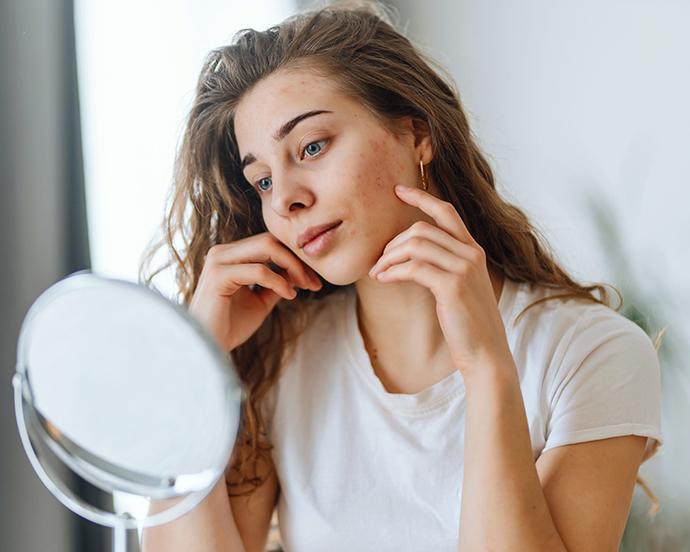
Photo by Maksym Belchenko/Getty Images
Nothing’s worse than having to deal with a wound, but when that cut or gash is on your face, it takes it to a whole other level of stress. Not only do you now have to spend the next few weeks explaining what happened to everyone you come in contact with, but you’ll also want to diligently take care of the wound since it’s, well, smack dab in the middle of your face.
But where to start? From how to cleanse your skin in the first 24 hours to helpful products that can help the healing and scarring process go smoothly, we tapped triple board-certified dermatopathologist Gretchen W. Frieling, MD, to answer all of your face scar questions.
It's about glam time you treated yourself.
Join IPSY
MEET THE EXPERT
Gretchen W. Frieling, MD, is a triple board-certified dermatopathologist and the founder and CEO of GFaceMD.
What to Do in the First 24 Hours After a Facial Cut
What you do to care for your scar in the first 24 hours is crucial, says Dr. Frieling. “As a dermatopathologist, I emphasize that early, attentive care combined with professional guidance provides the best long-term cosmetic outcome,” she adds. So what does that look like?
First off, it’s important to address that for the purpose of this article, we’re talking about minor cuts and scrapes that don’t require stitches. Face wounds bleed much more than cuts on other parts of your body, due to the high density of blood vessels in the facial area, so don’t let that alarm you. But contact your doctor if you believe the cut is long and deep enough to require stitches.
If it does not, Dr. Frieling says the first thing you should do is gently wash the affected area. “Use lukewarm water and a mild, fragrance-free cleanser, taking care not to scrub the wound,” she says.
“Pat the area dry with a clean towel or sterile gauze and avoid touching it with unwashed hands. Applying gentle pressure to control any minor bleeding is important, but once it stops, keeping the wound clean and protected is key. These first steps set the foundation for optimal healing and reduce the risk of infection or scarring.”
From there, Dr. Frieling says a bandage will help in the first 48 hours for healing, so that the wound will avoid being exposed to dirt and debris as it starts to close. “Applying a thin layer of an antibiotic ointment for the first day or two can help, but plain petroleum jelly works just as well to keep the wound moist and promote healing,” she says. “Avoid heavy ointments that may trap bacteria or irritate the skin.”
How to Adjust Your Skincare Routine
It’s very important to check the ingredients in your products and make adjustments to anything that might be coming in contact with your wound/scar.
After the wound has closed (no active bleeding), you can remove the bandage and concentrate on healing. “While a cut is healing, it’s best to avoid skincare ingredients that are strong irritants, acids, or exfoliants, even if you’re not applying them directly on the wound,” says Dr. Frieling.
Ingredients to Avoid While Healing:
Retinoids
Glycolic or salicylic acids
Benzoyl peroxide
Alcohol-based products can cause stinging
Fragrances
Harsh scrubs
Helpful Ingredients to Add to Your Routine
Instead of products that have the ingredients above, Dr. Frieling says gentle cleansers and moisturizers that are fragrance-free are safe to use. Our favorite gentle cleanser is the BALANCE ME Pre and Probiotic Cleansing Milk that contains squalane, willow bark, and manuka honey to heal irritated skin. And yes, it’s fragrance-free!
When it comes to gentle, fragrance-free moisturizers, we can’t get enough of the ALO YOGA SKINCARE Luminizing Face Moisturizer that has plant-based ingredients and soothing hyaluronic acid.
Once you make these switches, it’s important to note that keeping the scar moisturized is crucial for minimizing scar formation, says Dr. Frieling. “Clinically proven options include petroleum jelly, silicone gels, or silicone-based scar sheets, which help reduce thickness and discoloration,” she adds.
Plus, “Vitamin E is often used but can cause irritation or allergic reactions, so it should be approached with caution. Hydrating ingredients like hyaluronic acid or ceramides can support the surrounding skin’s recovery.”
Of course, one of the most important things to remember is using daily sunscreen (SPF 30 or higher!) to help protect the skin as it heals. We love the DR.JART+ Every Sun Day™ Mineral Korean Sunscreen SPF 50+ for this.
When to See a Dermatologist
After a few months of scar healing, it might be time to assess how your scar is doing and if it appears raised or red after treatment.
“Facial scar maintenance is a combination of patience, protection, and gentle care,” explains Dr. Frieling. “Avoid picking at scabs, as this increases the risk of permanent scars and consistent use of silicone-based treatments over weeks to months can significantly improve appearance.”
Keeping the scar protected from sun damage is also instrumental in the healing process. There are in-office treatments like lasers that can help with the visibility of scars after you have fully healed, so don’t hesitate to reach out to your doctor for more solutions if you’re still not happy with your healing.
Final Thoughts
Healing a cut on your face can feel stressful, but the right care in the first few days can make a major difference in how your skin recovers. Keeping the wound clean, moisturized, and protected from the sun helps support the natural healing process and minimize the appearance of scars. If you notice persistent redness, raised texture, or discoloration over time, a dermatologist can recommend treatments that help improve the skin’s appearance even further.
Liked this post? Share!
Related Stories


How-To
Skin Barrier 101: How to Repair Summer-Stressed Skin
4 min read
How-To
How to Apply Cream Blush Without Overthinking It
5 min read


How-To
The Secret to Better-Looking Makeup Isn’t What You Think
6 min read
How-To
Why Everyone’s Scent Stacking Right Now
4 min read
How-To
How to Treat Yourself: 39 Simple Self-Care Ideas
15 min read


How-To
Here’s How to Build Your Perfect Skincare Routine for Both Morning and Night

How-To
10 DIY Face Masks That Are Expert-Approved & Actually Work

How-To
How to Give Yourself a Salon-Worthy Facial At Home
10 min read
Beauty Picked Just for You
Get 5 products worth up to $70
Exclusive access to epic deals up to 80% off
Starting at just $15/month. Cancel anytime.