The Secret to Better-Looking Makeup Isn’t What You Think


Maddie Aberman
Photo by Lourdes Balduque/Getty Images
Makeup artists aren’t doing 20-step routines every day, and honestly, neither should you. The difference between makeup that looks just fine and makeup that looks polished, seamless, and elevated usually comes down to a handful of small, intentional techniques.
From how you prep your skin to where you place your blush, these are the kinds of tricks pros rely on every single day, whether they’re getting themselves ready or working with clients. If you’ve ever wondered why your makeup doesn’t quite hit the same, chances are it’s not what you’re using; it’s how you’re using it. Keep reading for the small but mighty tricks that separate everyday makeup from a pro-level finish.
It's about glam time you treated yourself.
Join IPSY
The Small Tweaks That Make the Biggest Difference
1. Press Your Skin Prep In (Don’t Just Swipe It On)
Skin prep is non-negotiable, but how you apply it matters more than you think. Instead of quickly rubbing in moisturizer and primer, makeup artist and LYS BEAUTY’s Artistry & Education Lead Marquis Ward recommends taking a few extra seconds to press it into the skin with your hands. “This one small shift helps your makeup fuse with your skin instead of floating above it,” he explains.
2. Use Less Product—Then Build Where You Need It
More product doesn’t equal better coverage…It usually does the opposite. Heavy layers of foundation and concealer can emphasize texture and make your makeup look less polished.
Makeup artist, educator, and beauty entrepreneur Lauren D’Amelio Ventre notes, “A thin, even layer paired with targeted concealing will always look more modern. This also prevents texture from being emphasized and allows the natural skin to come through, which is what creates that elevated, effortless look.” Start sheer, then build only in areas that need it. The goal is skin that still looks like skin.
3. Blend More Than You Think You Need To
Blending is the difference between visible makeup and seamless makeup. After applying foundation with a brush, go back in with a clean, damp sponge to diffuse everything further.
IPSY Pro Megan Lombardi puts it simply: “Blend a little more than you think you should…blending is your friend!” Focus on softening edges around the jawline, under the eyes, and around the nose, where product tends to settle.
4. Refresh Your Concealer at the End
If your under-eyes look a little dull by the time you finish your makeup, you’re not imagining it. Applying concealer at the beginning means it can crease, fade, or flatten as you go.
Lombardi recommends revisiting it as a finishing step: “After I do the eyes, I like to refresh the concealer. It always makes a big difference.” Tap a small amount back in to brighten and lift the face instantly.
5. Set Strategically
Powder has its place, but overdoing it can flatten your entire look. Instead of setting your whole face, focus on areas that actually need it, like under your eyes or around your nose.
Ward explains, “I like to lock in areas that crease or get oily, then use a setting spray to melt everything together.” This keeps your makeup in place while still maintaining a natural, skin-like finish.
6. Layer Your Setting Sprays (Yes, Really)
Setting spray isn’t just a final step, it’s part of the process. Using hydrating mists throughout your routine helps melt layers together and prevents that powdery finish.
As celebrity makeup artist and owner of Brielle Beauty Co, Brielle Pollara shares, “Layering setting sprays…makes a huge difference in how the makeup looks and how long it lasts.” Try misting between steps, then finishing with a long-wear spray to lock everything in.
7. Bring the Glow Back After Powder
Makeup looking a little flat after setting everything? You’re not alone. Powder does its job, but sometimes a little too well if you know what we mean. Celebrity makeup artist Ash K Holm recommends adding cream products after powder (yes, you read that right). “It puts life and warmth back into the skin so it looks amazing on camera,” she says. Tap cream blush or highlighter on top of your powder products to help restore dimension.
8. Work Products Into Your Brush First (Not Your Face)
For smoother blending and more control, don’t go straight from product pan to face, especially with your creams. “I never apply a contour stick or blush directly to the face,” says IPSY Pro Micol Melani. “I place the product on a palette or the back of my hand, work it into the brush first, and then apply it.” This helps you build gradually and avoid harsh, over-applied areas.
9. Focus on Placement Over Coverage
Where you place your makeup matters just as much as how much you use. Strategic placement can lift, sculpt, and enhance your features instantly. As Ventre puts it, “Focus less on coverage and more on placement,” says Ventre. Apply blush and bronzer slightly higher than you think for a lifted effect, and use your natural bone structure as a guide.
10. Adjust Your Liner to Your Eye Shape
A one-size-fits-all liner technique doesn’t exist, and forcing one can throw off your entire look. “A lot of people apply too thick of a liner all the way across the eye, and it can be overpowering,” says Lombardi. Instead, keep your eyeliner focused on the outer half of the eye to lift and elongate without closing it off.
11. Switch to Brown Liner for a Softer Look
If black liner feels too harsh, Pollara recommends trying brown eyeliner instead. “I always swap black eyeliner for brown, especially for everyday makeup,” she says. “Black can sometimes look harsh or a bit aging, whereas brown softens the eyes while still giving that defined, sultry effect.” It’s a small swap that instantly makes your makeup feel more modern and wearable.
12. Clean Your Brushes (It Matters More Than You Think)
Ok, this isn’t the most exciting tip, but it might be the most important—so take note. Dirty brushes can affect your blend and your skin. “Brushes tend to hold bacteria when sitting with moist product in dark areas, and this can cause a breakout if you use [them] when dirty,” says IPSY Pro Bobbie Riley. Riley recommends cleaning them regularly with soap or a quick cleanser to keep everything smooth and hygienic.
13. Don’t Skip the Small Details
Even the simplest makeup looks more polished when the details are handled. Melani recommends always doing something to your brows and lashes: “Curled lashes instantly open and lift the eyes…even a simple brow gel makes such a big difference.”
IPSY Pro Kelly Tull adds that cleaning up under the brows with concealer can sharpen the entire look. “It instantly lifts and defines the eye area, enhances facial symmetry, and gives the entire face a more polished, sculpted appearance.”
14. Blend Beyond Your Face
One of the most overlooked steps? Taking your makeup beyond your jawline. Tull explains, “Blending into the neck and décolletage helps create a seamless, polished finish.” It’s subtle, but it makes your makeup look intentional instead of disconnected.
15. Know When You Actually Need More Product
While most people over-apply, there are moments when the opposite is true. “With everyone being so in love with the clean girl and natural makeup look, one of the most common mistakes I see is actually not applying enough product,” says Melani. “When too little product is used, it doesn’t have enough grip on the skin, so everything starts slipping, separating, and looking patchy. Sometimes, to achieve that polished, fresh everyday look, you actually need a bit more product than you think, depending on your skin type.”
Final Thoughts
The biggest takeaway? Great makeup isn’t about doing more, it’s about doing a few things really well. When your skin is prepped properly, your placement is intentional, and your blending is seamless, everything else falls into place.
Because the difference between everyday makeup and really good makeup isn’t a longer routine, it’s knowing which small steps make the biggest impact.
Liked this post? Share!
Related Stories


How-To
How to Apply Tinted Brow Gel Like a Pro
4 min read


How-To
Skin Barrier 101: How to Repair Summer-Stressed Skin
4 min read
How-To
How to Apply Cream Blush Without Overthinking It
5 min read
How-To
Got a Cut on Your Face? Here’s How to Help It Heal Without Scarring
4 min read

How-To
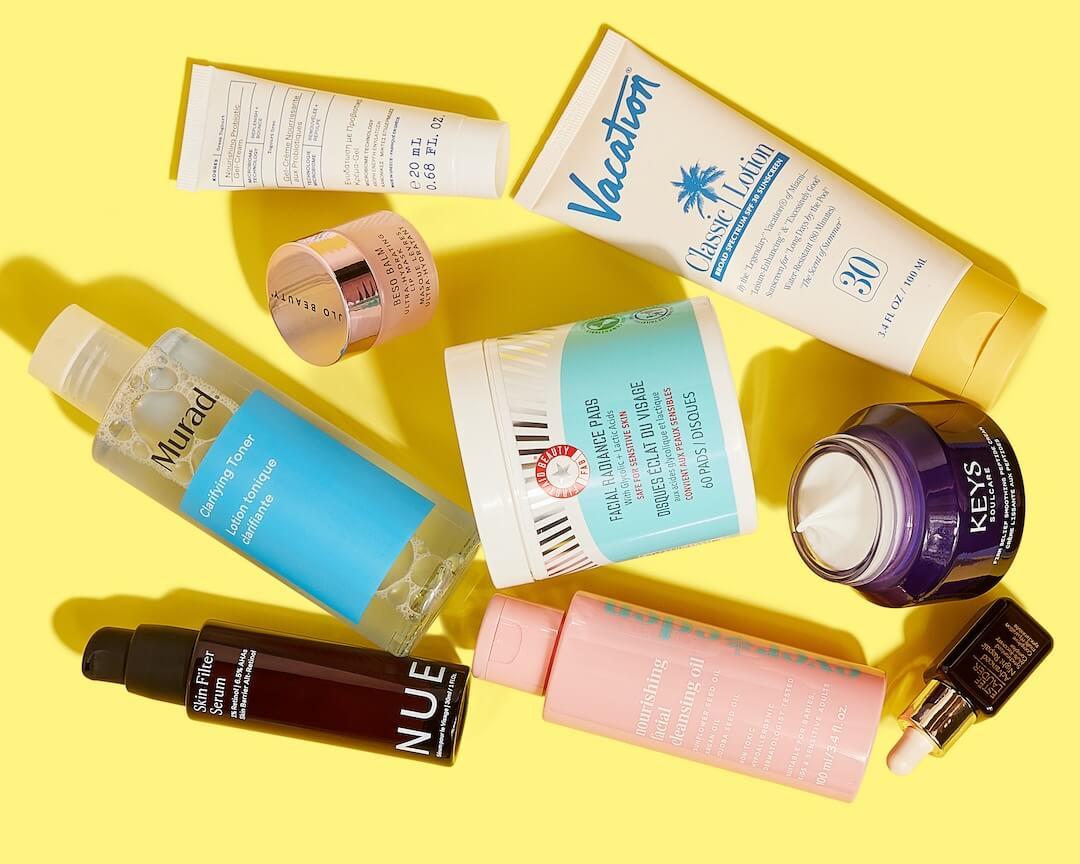
Here’s How to Build Your Perfect Skincare Routine for Both Morning and Night

How-To
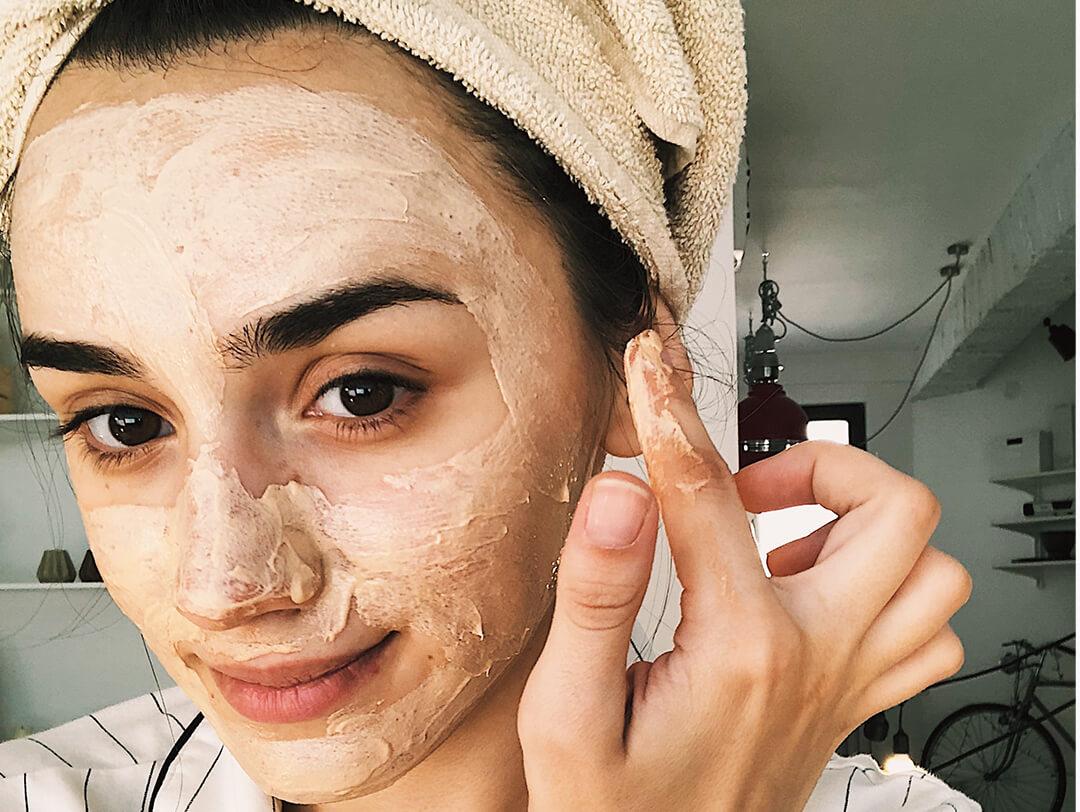
10 DIY Face Masks That Are Expert-Approved & Actually Work
How-To
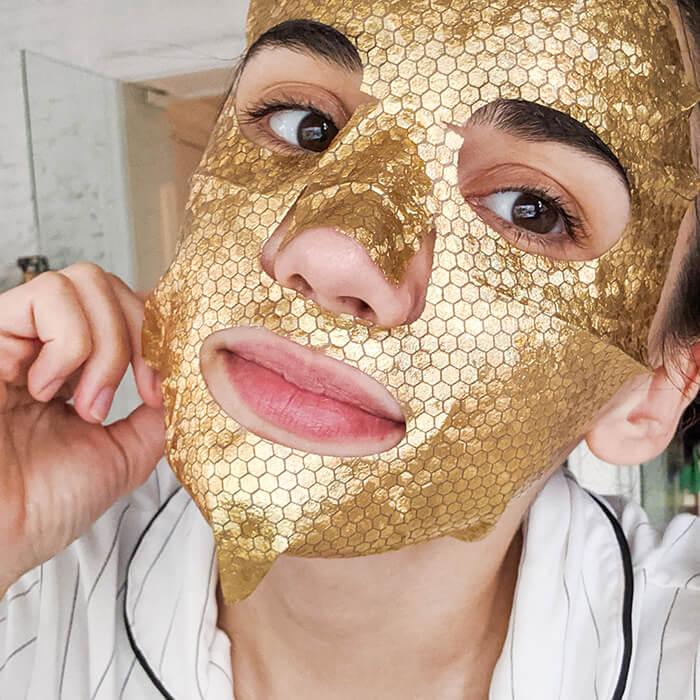
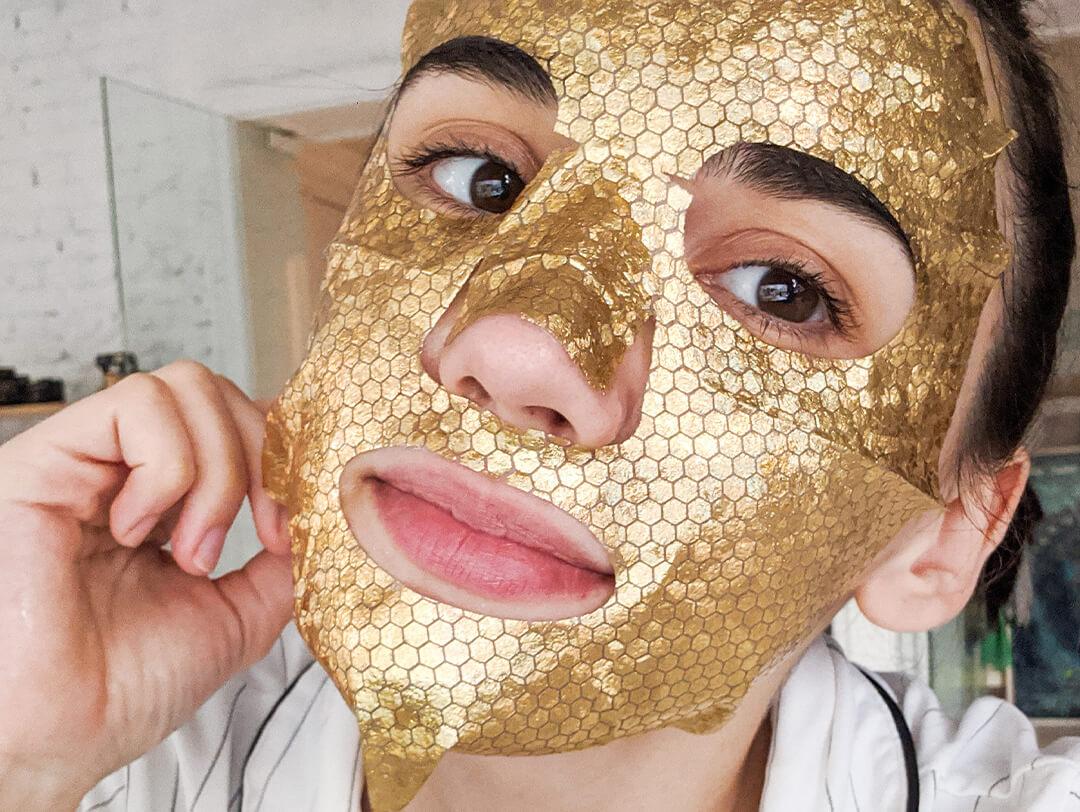
How to Give Yourself a Salon-Worthy Facial At Home
10 min read
How-To
These 8 Self-Tanner Hacks Will Keep You Glowing All Summer Long
5 min read
Beauty Picked Just for You
Get 5 products worth up to $70
Exclusive access to epic deals up to 80% off
Starting at just $15/month. Cancel anytime.