Milky Toners Are Everywhere—But Do They Actually Do Anything?


Dahvi Shira
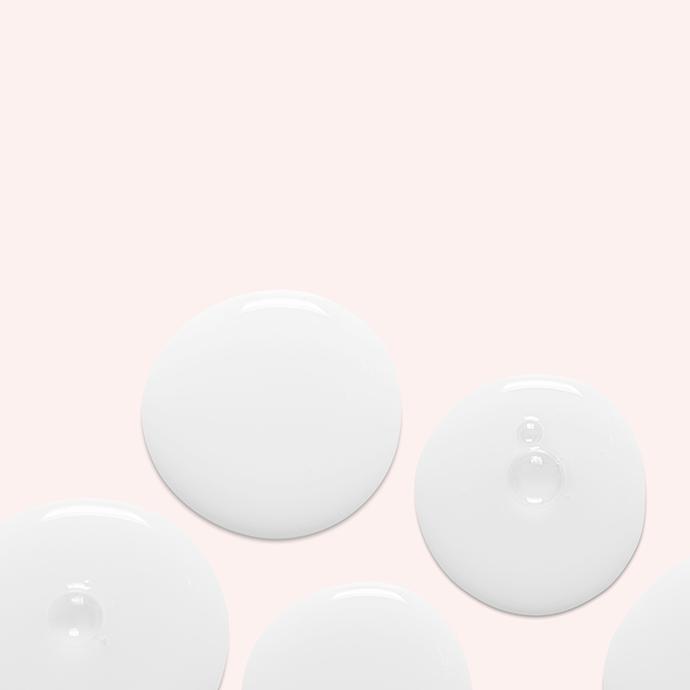
We’ll give credit where credit is due: Hailey Bieber really put milky toners on the map with the launch of her RHODE Glazing Milk Ceramide Facial Essence. In addition to making a splash on social media because of its literal milk-like appearance, it’s also been known to protect the skin barrier and enhance moisture. Thanks to its immense popularity—along with reports of users experiencing breakouts after using her product—it only makes sense various iterations have been developed from other brands to fit different needs and skin types.
So, we decided to dig into milky toners as a category, because no two are exactly the same. Are these actually toners? Or are they moisturizers in liquid form? We chatted with Los Angeles-based celebrity esthetician Candace Marino, who answers all of our burning questions below.
It's about glam time you treated yourself.
Join IPSY
MEET THE EXPERT
Candace Marino is a celebrity esthetician and founder of The LA Facialist in Beverly Hills.
What’s the Difference Between Milky Toner and Traditional Toner?
When we think about traditional toner, which, for many, has been a skincare staple for years—we probably think of something like the GLOW RECIPE Watermelon Glow PHA+BHA Pore Tight Toner. These traditional products typically come in translucent formulas and deliver gentle exfoliation.
Milky toner, on the other hand, “is a hybrid product that sits somewhere between a traditional toner and a lightweight moisturizer,” Marino says. “It typically has a fluid, lotion-like texture and is formulated with a mix of humectants, emollients, and sometimes barrier-supporting ingredients like ceramides or fatty acids. Instead of focusing on exfoliation or astringency, its primary role is to hydrate, soften, and prep the skin.”
Why Is Milky Toner Trending Right Now?
While sure, Bieber put this type of product on the map in the U.S., the concept overall has been successful because it has filled a gap in the skincare market.
“There’s been a major shift toward barrier repair and hydration-focused skincare,” Marino explains. “Consumers are moving away from overly aggressive treatments and looking for products that support the skin long term. Milky toners fit perfectly into that trend, especially with the influence of Korean skincare routines that prioritize layering lightweight hydration.”
Ultimately, Marino classifies milky toner as more of a lightweight moisturizer than a traditional toner.
“Classic toners were designed to remove residue or rebalance the skin, whereas milky toners are designed to add hydration and nourishment. I think of them more as a hydrating step rather than a true toner.”
How to Use Milky Toner Effectively
Milky toner can essentially be applied the same way you’d put on hyaluronic acid. Marino says it should go on right after cleansing, with slightly damp skin in order to maximize hydration.
“You can apply it with your hands and press it into the skin, or layer it if your skin is more dehydrated,” she instructs. “It works well under serums and moisturizers, and in some cases, can even replace a moisturizer for oilier skin types.”
Is Milky Toner for Everyone?
Given their moisturizing properties, milky toners are especially encouraged for people with dry skin or a compromised skin barrier.
“They’re not essential for everyone, but they can make a noticeable difference in how the skin feels and functions, especially when layered correctly,” Marino says. “Like most products, it comes down to formulation and whether it fits your skin’s needs.”
It’s also important to remember—using the RHODE product as an example—milky toners aren’t one-size-fits-all.
“Some are very lightweight and hydrating, while others are richer and more occlusive,” the expert shares. “It’s important to look at the ingredient profile and choose one that aligns with your skin type, otherwise you might end up using something that feels too heavy or not hydrating enough.”
Final Thoughts
Milky toners cause category confusion based on their name, but they ultimately lean more toward light moisturizer versus traditional toner. The main commonalities between the two types of toners are their second step in a skincare routine and liquid consistency.
Functionality-wise, the two differ. For users who identify with dry skin, a traditional moisturizer can still be used in conjunction with a milky toner. For those with oilier skin, a milky toner isn’t necessary. While milky toners typically target dryness and skin barrier protection, each product’s ingredients differ so it’s important to pay attention to what may irritate or benefit your own individual skin.
Liked this post? Share!
Related Stories


Skin
What Is Collagen Banking—and Does It Actually Work?
6 min read


Skin
What Is Facial Posture—and Should You Be Thinking About Yours?
4 min read


Skin
The Next Big Aesthetics Trend Is Actually About Doing Less
7 min read


Skin
What Do Beauty Certifications Actually Mean? Experts Break It Down
6 min read


Skin
What Is Spironolactone? Everything to Know About Taking It for Acne
4 min read


Skin
Hilary Duff Looks Exactly Like She Did 20 Years Ago—Here's Why
3 min read


Skin
What Is a DiamondGlow Facial? Everything to Know Before You Book
4 min read


Skin
10 Tiny Skincare Habits That Can Make a Big Difference
4 min read
Beauty Picked Just for You
Get 5 products worth up to $70
Exclusive access to epic deals up to 80% off
Starting at just $15/month. Cancel anytime.