Do Tanning Boosters Actually Work? Here’s the Reality
Dahvi Shira

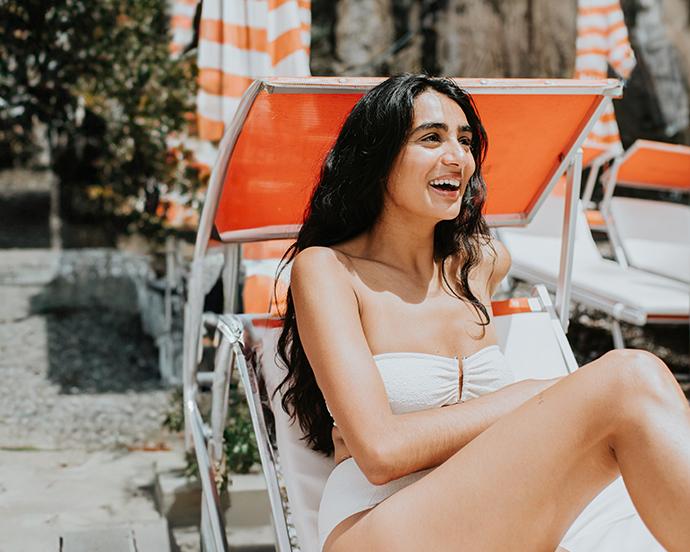
Photo by Catherine Falls Commercial/Getty Images
The sun category is having a major moment. From the massive SPF boom, to self-tanners and more, an internally viewed Spate report shows that consumers are drawn to unique fragrances, textures, and application techniques. Among rising products are tanning boosters or enhancers, which are marketed to enhance the appearance of a tan during UV exposure.
As you can imagine, there are many thoughts on this topic. We enlisted the expertise of two professionals to give us the facts of how these products work, and whether they can be used safely. Keep reading for the honest facts below.
It's about glam time you treated yourself.
Join IPSY
MEET THE EXPERT
How to Apply Tanning Boosters Safely
We’re going to keep it real with you: The only safe tanning is no tanning or self-tanning. Any time you subject yourself to UV rays (even with SPF slathered on), you’re at risk for sun damage.
That said, when using a booster (like CARROTEN Intensive Tanning Gel, for example), “They can help promote a more responsible, controlled tanning experience,” says Panos Kotsakis, Group R&D and Quality Director of the Sarantis Group, which manufactures the product. “A tan is your skin’s natural response to UV stress, so the goal isn’t zero exposure, but smarter exposure. Using products that promote even application, combined with SPF protection, limited time in the sun, and proper hydration, helps the skin tan more gradually and evenly, with less visible stress.”
Reinforcing what we said above, board-certified dermatologist Joel Spitz, MD, says, “You really can’t safely use tanning boosters without increasing sun damage, since they rely on UV exposure to stimulate melanin production.”
“That means a higher risk of skin cancer, premature aging, and pigmentation issues,” he explains, adding that he opts for DHA-enriched self-tanners instead. “They give you a tan appearance without UV exposure.”
If you want a safer alternative, we love TAN-LUXE Face Mini, which you can drop into your favorite serum or moisturizer for a lasting glow that appears gradually and ray-free.
When using tanning boosters, it’s also important to note that medications and topicals, including Accutane, retinoids, and certain antibiotics “can make your skin significantly more sensitive to the sun, increasing the risk of burns and irritation,” Dr. Spitz says.
Does SPF Defeat the Purpose of Tanning Boosters?
Because SPF is designed to block the UV rays tanning boosters depend on, the sun won’t hit as deeply when protection is applied—booster or not. While SPF may reduce tanning, its primary purpose is to protect your skin, and that should always be the priority.
“It moderates it,” Dr. Kotsakis says, noting that CARROTEN includes an SPF line targeted to sensitive skin. “By reducing the intensity of UV rays reaching the skin, sunscreen allows melanin to develop more gradually, which often leads to a more even, longer‑lasting tan. Protection isn’t the opposite of tanning. It’s what helps make tanning more controlled and skin‑friendly.”
Dr. Spitz once again advises against boosters because he believes SPF counteracts their function.
Regardless of your tanning preference, you already know our stance. We won’t leave home without a handy little tube. Our favorite on-the-go pick is the VACATION Super Stick SPF 45.
How Are Boosters Formulated to Enhance Tans?
Tanning boosters are designed to enhance the skin’s response to UV radiation, often by stimulating melanin production or by increasing the skin’s sensitivity to UV exposure.
“While they may intensify a tan, they also increase UV exposure and therefore the risk of skin damage,” Dr. Spitz says. “This tradeoff makes them a less safe option compared to sunless tanning methods.”
When it comes to CARROTEN’s best-seller in particular, Dr. Kotsakis says the concentrated oil, gel-structured system forms an even, continuous film on the skin. This, he says, helps support a more consistent tanning response, while conditioning vitamins and carotenoids help maintain skin comfort during exposure.
Final Thoughts
There’s one thing we can agree on across the board: An enhanced glow is always a vibe. Bronzed skin presents a healthy, fresh-from-vacation aesthetic—and let’s be real: Who doesn’t look better with a tan?
The discrepancy, however, lies in the safety of tanning boosters, and their efficacy if, indeed, precautionary measures are applied. One side says using SPF simply moderates the impact of UV rays. Another side says using SPF defeats the purpose altogether. So, therefore, in that case, why even use the boosters to begin with?
While we can’t speak for sure from one side to the next, we will always enforce applying SPF in the sun. Whether or not it negatively impacts your ability to achieve a tan, that’s for you to decide. Additionally, we always speak to our doctor before putting anything new onto our skin. And worst case? You can apply self-tanner on a rainy day at home and look like you spent hours in the tropics!
Liked this post? Share!
Related Stories


Skin
What Do Beauty Certifications Actually Mean? Experts Break It Down
6 min read


Skin
What Is Spironolactone? Everything to Know About Taking It for Acne
4 min read


Skin
Hilary Duff Looks Exactly Like She Did 20 Years Ago—Here's Why
3 min read


Skin
What Is a DiamondGlow Facial? Everything to Know Before You Book
4 min read


Skin
10 Tiny Skincare Habits That Can Make a Big Difference
4 min read


Skin
Beauty Has Officially Gone Bananas—Here Are 10 Products to Try
4 min read


Skin
Your Back-to-School Beauty Reset Starts Here
3 min read


Skin
8 Common Sunscreen Mistakes (and How to Avoid Them)
4 min read
Beauty Picked Just for You
Get 5 products worth up to $70
Exclusive access to epic deals up to 80% off
Starting at just $15/month. Cancel anytime.