Is Stress-Care the New Self-Care?


Maya Ernest


Photo by We Are/Getty Images
Self-care used to mean face masks and takeout. Now? It’s about managing the stress that shows up before you even hit “order.” While we love an indulgent wellness ritual, managing everyday stress is an important step in taking care of ourselves, and that can go deeper than a simple spa day. Everybody needs (and deserves) a chance to step back, take a breath, and pause for a second. Enter: stress-care—the idea that taking care of your stress daily is just as important as any once-in-a-while ritual.
Stress shows up differently for everybody—and while you may not feel totally drained everyday, you might recognize symptoms like acne, achy muscles, and feeling tense or tired. Stress can also contribute to issues like eczema and hair loss. That’s why addressing everyday anxiety can have a greater overall effect than a mani/pedi (though we love that too). Especially in these unprecedented times, it seems stress-care is becoming the new self-care. Keep reading to learn more about taking a moment for yourself, and our recommendations for doing just that.
It's about glam time you treated yourself.
Join IPSY

MEET THE EXPERT
Michael Lupo is the founder of FLEWD, an award-winning brand focused on stress-care solutions.
Why Taking Care of Stress Is Important
Everybody has a stressful day here and there, but over time, stress can leave a bigger impact than you think. Acne, psoriasis, depression, hair loss, insomnia, sexual dysfunction, gastrointestinal problems, and even cardiovascular disease are linked to high levels of stress. While it’s natural to feel tense every once in a while, it’s important to recognize when stress is taking a toll on your physical and mental health.
That’s not to say a treat yourself moment isn’t helpful—in fact, taking a moment to slow down with a facial or massage is great for short-term stress care. Having an extended wellness plan, however, will ultimately help you keep stress at bay long-term.
5 Different Ways to De-Stress
Stress can feel impossible to navigate when you're in the middle of it, but there are ways to help mitigate the effects it has on our lives. Wellness comes in all forms, and these five research-backed options are a good place to start.
1. Reset Your Pace with Breathing Exercises
Has someone ever told you to “just breathe?” It may seem obvious, but it helps. Imagine how good you feel after taking a deep breath—now, imagine taking several deep breaths. Practicing breathing exercises can help regulate the nervous system and improve mental focus.
Start by observing your breathing over time. As you notice your breath—whether you’re sending an email, in the shower, or exercising—try to breathe consciously, through your nose, using your diaphragm. (Basically, breathe through your belly.) Try a circular breathing exercise by breathing in through your mouth, then huffing out your breath, as if you were taking a sigh of relief. Make sure there are no pauses between your breaths (hence the “circular” name).
Another great practice to try is breathing in through your nose, holding your breath for five seconds, then taking a long, slow exhale through your mouth. Pause for five seconds before inhaling again. This exercise will help slow your heart rate and calm your nerves.
It only takes two minutes a day to perform a breathing exercise, and you can do them anywhere at any time (and as many times as you want). To take things to the next level, try lying down and placing one hand on your belly to feel your breathing. Think about what intentions you want to set for the rest of your day. Grateful? Energized? Productive? The more you practice mindful breathing, the more your nervous system can regulate.
2. Take a Digital Detox
We get it—you’ve had a long day at work and just want to kick your feet up while watching TikToks. Escaping the real world via a screen isn’t the healthiest habit, however, and studies show that doom-scrolling can actually make stress worse. Leave the screen behind and try unplugging for a bit, whether that means going on a walk, phoning a loved one, or experimenting with meditation. Your socials will be right there where you left them, so take a break to try something new.
3. Try a Magnesium-Infused Bath
Setting aside time to take a bath can help your body relax and decompress—especially when paired with a stress-relieving magnesium soak.
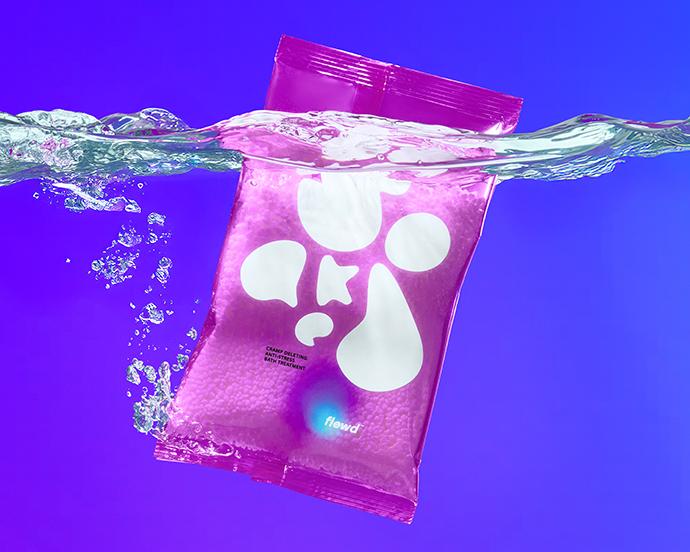
“The body needs and deserves a true pause,” says Michael Lupo, founder of FLEWD. “Taking a 15-minute soak is an opportunity for that pause—it might be the only 15 minutes all week that somebody gets to breathe.” Infused with vitamins, minerals, and teeny tiny magnesium chloride molecules—eight times the amount in Epsom salts—FLEWD’s bath soaks target everyday stress symptoms like anxiety, insomnia, fatigue, and muscle aches. The minuscule size of the magnesium chloride molecules, and the fact that they’re already naturally produced by the body, helps them to pass through the skin in a warm bath, allowing the body to absorb the nutrients it needs to recover from stress.
Courtesy of FLEWD
“I really believe people should allow themselves to completely disconnect for that short time—no phone, no multitasking,” adds Lupo. “When the body is warm and relaxed, circulation increases and [FLEWD’s] nutrients have a chance to absorb even more effectively.” His favorite FLEWD soaks include the Sads Smashing soak, which comes with magnesium, vitamins B3 & B6, and nootropics to help provide stress-reducing nutrients for up to five days.
4. Exercise to Happy Hormones
Exercise is a great de-stresser, and not just because it keeps us physically healthy. Exercising reduces the levels of stress hormones in our body—like adrenaline and cortisol—and stimulates the production of endorphins, the chemicals in the brain that act as the body’s natural painkiller and mood elevator. Basically, you’re scientifically guaranteed to feel better after exercising.
The good news? Any type of exercise will help. A chill yoga routine, a walk around the neighborhood, or hitting the StairMaster are all great options. It’s all about finding what type of movement works for you, so don’t push yourself into something that will stress you out more. Find a routine you enjoy and stick with it.
5. Escape with Nature Sounds
Listening to your favorite music may already be one of your favorite ways to unwind. Putting on some nature sounds can help just as much, or maybe more. According to this 2017 study led by the University of Sussex, nature sounds can significantly decrease your body’s sympathetic response, which gets switched on in response to stress. Think of it as audio therapy.
Just like white noise may help you sleep, nature sounds act as brown noise to help you zone in—then out. With a lower frequency than white noise and a more organic feel, brown noise sounds similar to a downpour of rain or the low rumble of thunder.
Obviously, you shouldn’t step into a thunderstorm, but entering some sort of green space (like a park or a hiking trail) can help you relax from a sensory standpoint. If you’re not able to physically be there, your next best bet is pulling up nature sounds online that you can listen to. Whether it’s the steady fall of rain or the chirping of birds, the blanket of sound will help block out any negative thoughts and allow you to zen out.
Final Thoughts
At the end of the day, only you know what will best help you de-stress. Continuously (and consciously) having a digital detox, taking a magnesium bath, and listening to sound therapy are all great tools to calm your nervous system long-term. Just like a face mask can soothe your skin, setting a mindful everyday routine can help soothe stress. Here’s to deeper breaths and happier hormones.
Liked this post? Share!
Related Stories


Skin
What Do Beauty Certifications Actually Mean? Experts Break It Down
6 min read


Skin
What Is Spironolactone? Everything to Know About Taking It for Acne
4 min read


Skin
Hilary Duff Looks Exactly Like She Did 20 Years Ago—Here's Why
3 min read


Skin
What Is a DiamondGlow Facial? Everything to Know Before You Book
4 min read


Skin
10 Tiny Skincare Habits That Can Make a Big Difference
4 min read


Skin
Beauty Has Officially Gone Bananas—Here Are 10 Products to Try
4 min read


Skin
Your Back-to-School Beauty Reset Starts Here
3 min read


Skin
8 Common Sunscreen Mistakes (and How to Avoid Them)
4 min read
Beauty Picked Just for You
Get 5 products worth up to $70
Exclusive access to epic deals up to 80% off
Starting at just $15/month. Cancel anytime.