How to Use Tretinoin Face Cream for Acne Without the Drama


IPSY Editors
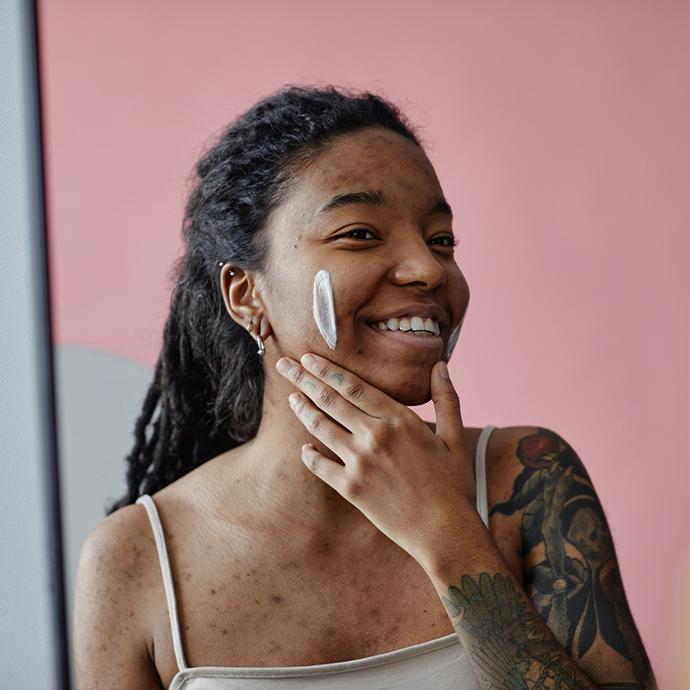
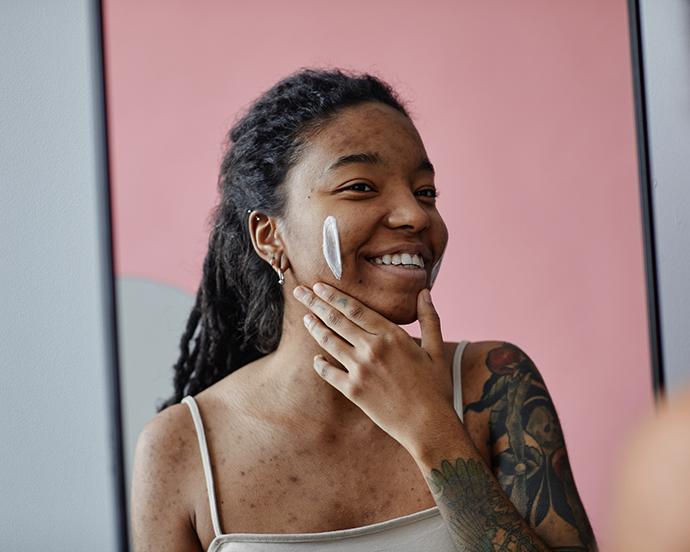
Photo by SeventyFour/Getty Images
Tretinoin, the gold-standard retinoid for acne and skin texture, works wonders—but only with the right approach. Many quit early due to peeling or stinging, not realizing the importance of a slow ramp-up, buffering with moisturizer, and strict SPF use. This guide covers how to use tretinoin effectively: proper dosing, managing purging, protecting your skin barrier, and avoiding common mistakes. Ready for a smarter, calmer plan? Let’s dive in.
It's about glam time you treated yourself.
Join IPSY

Tretinoin Face Cream Strengths and Formulations
Not all tretinoin is created equal, and finding your formula is kind of like finding your perfect foundation shade. It takes a little trial and error, but it's worth it.
Strengths typically range from 0.025% (a great starting point for most people) all the way up to 0.1% for more seasoned retinoid users. As for texture, creams tend to work best for dry or sensitive skin since they come with a bit more built-in moisture, while gels are usually the move for oily or acne-prone types.
Your dermatologist can help you figure out exactly where to start, but the golden rule? Go low and slow. Jumping straight to a high strength is a fast track to irritation—and nobody wants that.
Why Your Skin Freaks Out When You Start Tretinoin
Here's the thing nobody warns you about: tretinoin works so hard that your skin kind of throws a tantrum at first. Redness, flaking, and stinging—collectively known as retinoid dermatitis—are totally normal during the adjustment phase. It's just your skin speeding up cell turnover and temporarily disrupting its barrier in the process.
The most common culprits? Using too much too soon, skipping moisturizer, or layering in harsh actives like exfoliating acids. The fix is actually pretty simple: buffer your tretinoin by applying moisturizer first, keep the rest of your routine gentle, and give your skin the time it needs to catch up.
If you want to ease into retinoid territory before committing to tretinoin, the SKINFIX Acne+ Adapinoid Gel with Niacinamide + Squalane is a solid starting point. It uses adapalene—a gentler cousin of tretinoin—alongside barrier-loving squalane and calming niacinamide to help take the edge off that adjustment period while still delivering real acne-fighting results.
The Real Timeline: When Tretinoin Actually Works
Tretinoin is not a one-week miracle, and honestly, managing expectations here is everything.
In the first few weeks, you might notice purging—temporary breakouts as clogged pores clear out—plus some dryness and flakiness. Not cute, but completely normal. Around weeks four to six, things start to settle down as your skin adjusts and irritation fades.
Then comes the good part: somewhere between months three and six, you'll start seeing the results you actually signed up for—softer fine lines, smoother texture, and fading dark spots.
The real key to getting there? Consistency over strength. Using a lower dose regularly will always outperform jumping to a high concentration and burning out. If you're three months in and still not seeing progress, check back in with your dermatologist—sometimes a small tweak to your routine makes all the difference.
How to Use Tretinoin for Acne Without Wrecking Your Skin Barrier
Use a pea-sized dose, buffer with moisturizers, increase frequency slowly, and avoid harmful combos to minimize irritation, protect your skin barrier, and achieve tretinoin's glow-enhancing results.
The Golden Rules for Tretinoin Application That Actually Work
Think of tretinoin like a high-maintenance ingredient that rewards patience. Start with a pea-sized amount for your face and neck—that's genuinely all you need. Cleanse with something creamy and gentle, then wait a full 10 minutes until your skin is completely dry before applying. Pat a thin layer onto breakout-prone areas, and give the corners of your eyes, nostrils, and lips a wide berth.
If your skin runs sensitive, try the sandwich method: moisturizer first, then tret, then a ceramide cream on top to keep your barrier happy while still getting the benefits.
The slower you go, the better your results. Start with twice a week—think Monday and Thursday—and see how your skin responds. If things are looking calm around week three, try every other night. Feeling tight or irritated? Pull back and lean into your moisturizer. Once two weeks pass with zero drama, you can work up to nightly use. There's no prize for rushing this one.
If you want a gentler entry point into the retinoid world, the SKINFIX Acne+ Adapinoid Gel with Niacinamide + Squalane is worth a look. It uses adapalene—a retinoid in the same family as tretinoin—with a formula built around barrier support, including squalane, glycerin, and sodium hyaluronate to help offset the dryness and flaking that often come with starting any retinoid.
Niacinamide pulls double duty here, calming the look of redness and helping even out tone while your skin adjusts. Apply it the same way you would tretinoin: a pea-sized amount at night, starting two to three times a week and building from there. And yes, daily SPF is still non-negotiable.
Your Purge Survival Guide (Yes, It's Normal!)
The first few weeks on tretinoin can feel like a betrayal—but that initial wave of breakouts is actually the process working. Tretinoin speeds up cell turnover, which means all the congestion sitting beneath the surface gets pushed out faster than usual. Expect small whiteheads or pustules in your usual trouble zones—chin, cheeks, T-zone—typically showing up somewhere between weeks two and six.
It helps to know the difference between a purge and a reaction. A purge looks like your regular breakouts, just more of them, concentrated in spots you already break out. Irritation from the product itself tends to show up as widespread redness and dryness without a lot of new blemishes—more angry and tight than anything else.
If things feel overwhelming, simplify your routine down to cleanser, moisturizer, and tretinoin only. Skip anything that could be clogging pores. And if your skin is still getting worse after eight weeks, it's worth checking in with a dermatologist—sometimes a formula or strength adjustment makes all the difference.
The Big No-No List: What Never to Mix With Tretinoin
Tretinoin is already doing a lot. Layering it with other heavy-hitters on the same night is where most people run into trouble. Strong acids like glycolic and salicylic, physical exfoliants, benzoyl peroxide, and additional retinoids are all worth keeping off the same-night rotation—they compound irritation in a way that sets your barrier back instead of moving you forward.
The smarter approach is to alternate. Save your AHAs, BHAs, or benzoyl peroxide for off-nights so you still get their benefits without the overload. Vitamin C works best in the morning anyway, so that one's easy to separate.
And sunscreen is non-negotiable every single day—tretinoin makes your skin more photosensitive, so SPF 30 or higher, reapplied when needed, is part of the routine whether you're going outside or not. Your future skin will genuinely thank you for this one.
Once you've mastered using tretinoin without harming your skin barrier, the next step is finding the right pairings—because the right routine matters.
Building a Simple Tretinoin Skincare Routine That Supports Acne Treatment
Tretinoin works best when the rest of your routine stays out of its way. That means leaning into the basics: a gentle cleanser, a moisturizer packed with ceramides and hyaluronic acid, and SPF every single morning. Keep actives to a minimum while your skin adjusts, and you'll set yourself up for way better results.
Your Morning Glow-Up Game Plan
Think of your morning routine as your skin's protection mode. A gentle cleanse (or even just a water rinse) followed by a ceramide-rich moisturizer applied to damp skin is all you really need. Then comes the non-negotiable: broad-spectrum SPF 30 or higher.
Tretinoin makes your skin more sensitive to UV, so skipping sunscreen is simply not an option. Look for something lightweight and non-comedogenic so it layers smoothly without feeling heavy or clogging pores.
Your nighttime routine is where the real work happens. Start with a thorough but gentle cleanse to remove makeup and sunscreen, pat your skin dry, and wait about 10 to 20 minutes before applying a pea-sized amount of tretinoin—avoiding any sensitive areas like the corners of your nose and eyes. If dryness is a concern, try buffering with moisturizer before applying, or dab a little Vaseline over extra-dry spots after. Simple, intentional, effective.
Your Tretinoin Support Squad
The right supporting cast genuinely makes a difference here. For cleansers, reach for something fragrance-free and gentle enough to not strip your skin—CERAVE and VANICREAM are go-tos for a reason. Pair that with a ceramide-rich moisturizer to help repair and reinforce your skin barrier, and a lightweight, non-comedogenic sunscreen that layers beautifully under makeup.
One important tip: introduce any new products one at a time. That way, if irritation pops up, you'll actually know whether to blame tretinoin or something new in your lineup. Your skin will thank you for keeping things calm and uncomplicated.
The Real Talk on "Tretinoin" Products
Here's something worth knowing before you go down a product rabbit hole: tretinoin is prescription-only in most places, so anything labeled "tretinoin skincare" on a store shelf is almost certainly working with retinol or retinal instead.
These over-the-counter retinoids are gentler, but they also require your skin to convert them into their active form first—which means slower, more gradual results. If getting a prescription feels like a lot right now, starting with an OTC retinoid or even bakuchiol (a plant-based alternative that's much easier on sensitive skin) can still move the needle over time. Just go in knowing they're not quite the same league as the real thing.
Once your routine is dialed in and your skin feels supported, locking in that prescription with a provider you trust is the next best move you can make.
How to Get a Tretinoin Prescription Online and What to Ask For
Telemedicine has made getting a tretinoin prescription way more accessible—no waiting room required. Here's how to navigate the process, what questions to bring up with your provider, and how to find a service you can actually trust.
First, know that tretinoin works really well for comedonal acne (think blackheads and whiteheads), mixed breakouts with clogged pores, and mild to moderate inflammatory acne. Severe cystic acne may call for oral medications, and if your skin skews sensitive or eczema-prone, it's worth having an honest conversation with your provider about starting slow to avoid unnecessary irritation.
When you connect with a provider, come prepared. Ask about the best starter strength for your skin (0.025% is a common starting point), which formulation makes the most sense for your skin type, and how often you should actually be applying it at first. Don't forget to ask about managing the dryness and flaking that can come with the adjustment period, which products play nicely with tretinoin, and what the follow-up process looks like if you need to tweak your routine.
Red Flags to Avoid When Shopping for Online Prescriptions
Not all online platforms are created equal, so it's worth doing a quick vibe check before you commit. A credible service should have licensed dermatologists or nurse practitioners reviewing your case, clear pricing, and real follow-up options if you need to adjust your prescription.
Red flags? Skip anything that doesn't require a medical screening, makes wild promises about overnight results, or pressures you into buying bundles. Tretinoin is powerful, and you deserve a provider who treats it—and you—seriously.
Your Tretinoin Storage and Application Game Plan
Tretinoin is sensitive to light and heat, so how you store it actually matters. Keep your tube in a cool, dark drawer away from bathroom humidity, and always close the cap tightly after use to prevent oxidation.
When it comes to application, less is genuinely more—a pea-sized amount on clean, completely dry skin (wait about 15 to 20 minutes after cleansing) is all you need. Start with two to three nights per week and build from there as your skin adjusts. Consistency beats frequency every time, so find a rhythm that works for your skin without pushing it past its limit.
Getting your tretinoin prescription is just the start—now let's talk about using it correctly so it actually works without turning your routine into a guessing game.
Tretinoin Is Worth the Wait—Here's How to Make It Work
Tretinoin is the gold standard for acne treatment, speeding up cell turnover, unclogging pores, and smoothing texture like no other. The key to success? Patience and a barrier-first approach. Start low and slow, buffer with moisturizer (try the sandwich method), and make daily SPF essential. Keep your routine simple as your skin adjusts. When ready for a prescription, ask about strength, formulation, and frequency. Need gentle cleansers, ceramide-rich moisturizers, or lightweight SPF? Visit IPSY Shop for up to 70% off curated skincare—building your routine should be easy and affordable.
Liked this post? Share!
Related Stories


Skin
What Is Collagen Banking—and Does It Actually Work?
6 min read


Skin
What Is Facial Posture—and Should You Be Thinking About Yours?
4 min read


Skin
The Next Big Aesthetics Trend Is Actually About Doing Less
7 min read


Skin
What Do Beauty Certifications Actually Mean? Experts Break It Down
6 min read


Skin
What Is Spironolactone? Everything to Know About Taking It for Acne
4 min read


Skin
Hilary Duff Looks Exactly Like She Did 20 Years Ago—Here's Why
3 min read


Skin
What Is a DiamondGlow Facial? Everything to Know Before You Book
4 min read


Skin
10 Tiny Skincare Habits That Can Make a Big Difference
4 min read
Beauty Picked Just for You
Get 5 products worth up to $70
Exclusive access to epic deals up to 80% off
Starting at just $15/month. Cancel anytime.