How to Style Curtain Bangs With Layers for Soft, Face-Framing Movement


IPSY Editors
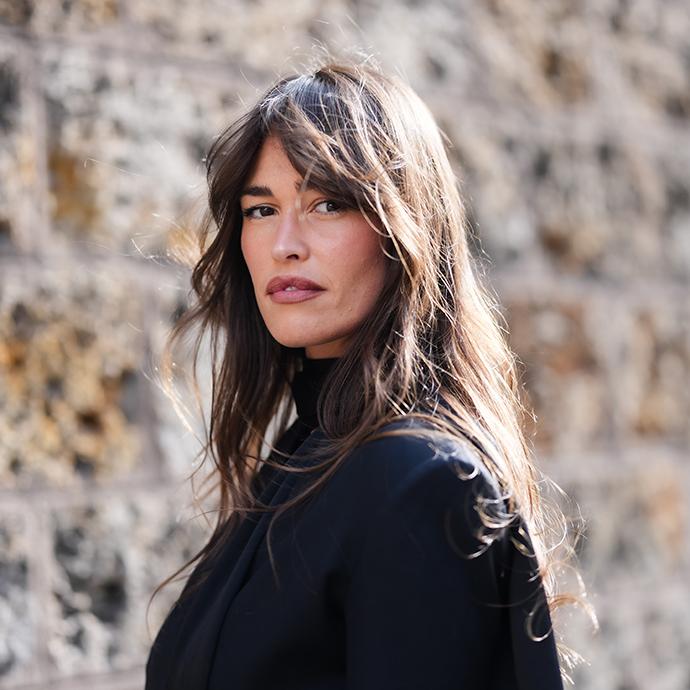
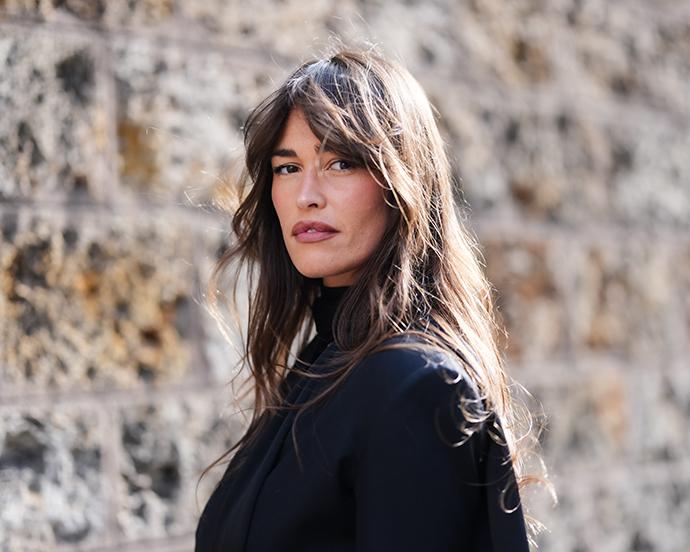
Photo by Edward Berthelot/Getty Images
Curtain bangs are all about the blow-dry technique. When styled correctly, they create a soft, face-framing swoop that's effortlessly chic. When not, you risk awkward flips, splits, or the dreaded wing effect. The good news? With proper root direction, bend placement, and a quick blending trick, you can perfect curtain bangs at home—whether your hair is straight, curly, short, or long—using tools you likely already have.
It's about glam time you treated yourself.
Join IPSY
Why Curtain Bangs Are Having a Moment
If you've been scrolling through your feed lately, you've probably noticed curtain bangs everywhere—and honestly, it makes total sense. This face-framing fringe is having a major moment because it hits that sweet spot between low-maintenance and effortlessly cool.
Unlike blunt bangs that demand daily precision styling, curtain bangs grow out gracefully and play well with pretty much every hair texture and face shape. They give off that "I woke up like this" energy that feels fresh and modern without looking like you tried too hard—which, let's be honest, is the whole vibe right now.
Step-by-Step Guide to Styling Curtain Bangs With Layers
Step 1: Choose the Best Parting for Your Curtain Bangs
Comb your bangs forward and let them naturally separate. A middle part gives you that classic, balanced look, while a side part softens your features and adds a little asymmetry in the best way. Once you've landed on your part, clip back the rest of your hair so you can focus entirely on your fringe from root to tip.
Step 2: Prep Damp Bangs for Heat Styling
The sweet spot for styling is slightly damp hair—not soaking wet, not completely dry. That in-between state gives you way more control over the final shape. Apply a lightweight heat protectant and a little volumizing mousse or blow-dry cream at the roots, comb everything through evenly, then let it sit for 30 to 60 seconds before you start drying. That small pause makes a real difference in how long your style actually holds throughout the day.
Step 3: Blow-Dry the Roots Side to Side for Lift
Here's where the magic starts. To get that signature curtain lift, blow-dry your roots in alternating directions—left, then right—so you don't end up with a flat crease down the center. Use a nozzle attachment on medium heat, aim the airflow downward, and keep your brush close to the scalp for maximum control.
Spend a full 30 to 60 seconds just on the root area before moving to the ends. This is what creates that longer-lasting bend that makes curtain bangs look intentional and effortless rather than limp and defeated.
Step 4: Shape the Curtain Bend With a Round Brush or Hot Tool
Now for the fun part. Take a small-to-medium round brush and wrap each side of your fringe around it, pulling forward before rolling back away from your face to create that signature open curve. The FOXYBAE HAIR Blush Ceramic 1.5" Hot Round Brush is a dream for this—wrap your bangs away from the face, roll at the root for lift, and you've got that curtain-bang swoop locked in.
Not a brush person? A curling iron or flat iron works too. Just bevel the ends outward and hold for two to three seconds per side before releasing gently. The most important thing: make sure both sides mirror each other so your curtain looks intentional, not like a happy accident.
Step 5: Blend Curtain Bangs Into Layers for a Seamless Look
Here's the secret to bangs that look like you paid someone to do them: blending. Instead of leaving your bangs as their own separate block, lightly brush them forward into your face-framing pieces and use your fingers to gently taper and piece the ends so they flow naturally into your layers.
This is what creates that soft, editorial finish—the difference between "I have bangs" and "my whole haircut just works together." Finish with a quick blast of cool air to lock everything in place and smooth any frizz before you move on.
Step 6: Keep Your Look Fresh Without the Stiffness
The difference between bangs that look fresh and bangs that look overdone is really just about how you finish them. Skip spraying product directly onto your hair—instead, mist a flexible-hold hairspray onto your fingers or a brush first, then lightly smooth it through the surface. You get the control without the crunch.
If your bangs tend to get oily fast, tap a tiny amount of dry shampoo at the roots, wait 30 seconds, then brush out. It keeps the volume going without any visible powder. The golden rule: keep product off the ends so your curtain curve stays bouncy and movable all day.
Step 7: Perfect the Look for Short Hair or a Bob
Curtain bangs look incredible on shorter lengths, but the approach shifts a little. For short hair, reach for a smaller round brush and focus on creating a subtle bend rather than a dramatic swoop—too much curve on a shorter cut can feel like a lot. If you're working with a curtain bangs bob, angle your fringe slightly longer toward the cheekbones and keep the ends kicked outward to prevent that collapse-into-the-face situation.
Between washes, just re-wet the fringe and blast it with your blow-dryer for one to two minutes to reset the shape without touching the rest of your hair. Easy refresh, every time.
After styling your curtain bangs, address common hiccups and fix them quickly, often in under two minutes.
Troubleshooting Curtain Bangs: Fix Flips, Splits, and Flat Roots
Even the most practiced bang styling session can go sideways. Splitting, flipping, falling flat—most of these issues, whether it's a stubborn cowlick or stringy texture, can be fixed in under two minutes without rewashing. Here's how to get that soft, face-framing finish back on track.
When Your Bangs Split Down the Middle (or Look Stringy)
Stringy bangs usually come down to one of three things: drying straight down, too much product, or touching your hair before it's fully cooled. The fix is simple—mist your roots with water, work in a little styling cream, and blow-dry with your airflow alternating left and right.
Your bangs should softly meet at your nose bridge before sweeping outward toward your cheekbones. If they're splitting dramatically past that point, you're likely drying them in a straight-down direction, which works against the whole curtain concept.
Rogue flips are usually caused by airflow going against your hair's natural growth direction or roots that didn't fully dry. Fix it by making sure you dry the roots completely first, keep your nozzle aimed downward, and over-direct your bangs before rolling them back with a round brush built for that signature curtain-bang bend. For a stubborn cowlick, try shifting your part slightly or leaning into a softer side-swept look instead of fighting a center part that doesn't want to cooperate.
When Straight Hair Won't Hold the Curtain Bend
If your bangs keep falling flat, straight or low-porosity hair is usually the culprit—especially if conditioner has been weighing down your roots. The fix? Use less conditioner near your fringe on wash day, then apply a lightweight mousse at the roots for some grip before you start drying.
When blow-drying, add a quick heat set with your round brush—hold for three to five seconds—then let the hair cool completely (about 10 to 15 seconds) before releasing. Finish with flexible-hold spray misted onto your brush, then gently comb through. This locks in root lift without over-curling the ends into something that feels more retro than intentional.
When Short Curtain Bangs Overwhelm Your Face (Bobs and Short Cuts)
Short curtain bangs can tip into "too much" territory when the swoop is too dramatic or the ends keep falling into your eyes. The fix is to switch to a smaller round brush or 1-inch curling iron so you're creating a shallower, softer bend. Keep the ends kicked slightly outward instead of curling them under, and use your fingers to piece the bangs into soft sections that blend naturally with your side layers.
Avoid brushing everything straight forward—it makes bangs look heavy and disconnected from your cut, which is the opposite of the effortless vibe we're going for.
If your bangs aren't cooperating, don't stress. Most fixes really do take under two minutes. Master the basics, then tweak from there based on your cut and your hair's personality.
Curtain Bang Variations: Pick the Right Fringe for Your Haircut and Face Framing
Not all curtain bangs are created equal—length, density, and part placement all change the final look. Here's how to tailor yours to your specific haircut and the kind of face framing you're after.
With Long Hair vs. a Bob: Where the Curtain Should "Open"
With long hair, you want your curtains opening from the cheekbones down to the lips for a flirty, face-framing effect. With a bob, keep things lighter and let the opening happen closer to the cheekbones—too much swoop on a shorter cut can make things feel a little closed in.
For long hair, reach for a 2-inch brush and roll four to five inches back. For bobs, a 1-inch brush rolled two to three inches gives you that soft, face-hugging bend without going overboard.
Curtain bangs and shaggy cuts like the wolf or butterfly are basically made for each other—all that layered texture needs bangs with root lift and slightly choppy ends to match the energy. For straight hair, blow-dry outward and finish with a light texturizing spray to avoid flatness. The goal is volume, movement, and that perfectly imperfect cool-girl finish.
Side Curtain Bangs vs. Middle Part: When Each Looks Better
Middle parts are gorgeous with symmetrical curtains and longer lengths—that balanced, face-framing effect is classic for a reason. But if you have a strong cowlick or want to soften some asymmetry, side curtain bangs are your best friend.
The trick? Shift your part just a few millimeters off-center, then finger-direct your roots forward and out while blow-drying. Pin the opposite side back as you work to lock in that consistent bend. It's a tiny adjustment that makes a surprisingly big difference in how your curtains actually fall.
Let's Clear Up the Fringe Confusion Once and for All
Quick vocabulary check, because this genuinely trips people up: "fringe" is the UK term for what Americans call "bangs," but curtain bangs are their own distinct thing. Unlike blunt, straight-across bangs, curtains are longer, parted in the middle, and sweep outward to frame your face.
Face-framing layers are cut throughout your hair, while curtain bangs are specific fringe pieces that start the frame at the front. And those "window bangs" or "air fringe" you've been seeing all over TikTok? Those are super-sheer, straight-across styles—curtain bangs have more movement, more sweep, and that signature outward bend that makes them feel so soft and lived-in.
Now that you've found your perfect curtain bang style, let's lock in that finish with a few final styling essentials.
Your Soft, Face-Framing Curtain Bangs—Locked In
Find your part, prep with heat protectant, build root volume, create your curtain bend, blend into your layers, and finish with a light touch of texturizing spray. For day-two hair, dry shampoo and a quick root refresh are all you need to reset the shape without starting from scratch.
There you have it—the full roadmap to curtain bangs that actually cooperate. Pick your part, prep with heat protectant, build that root lift, create your signature bend, blend into your layers, and set everything with a light hand. Less product keeps things bouncy, and a quick root refresh between washes saves serious time on busy mornings. Ready to level up your styling routine? Head to the IPSY Shop for curated hair tools, heat protectants, and finishing sprays. Your best bang day starts now.
Liked this post? Share!
Related Stories


Hair
The Tiny Hair Product We Suddenly Can’t Live Without
4 min read


Hair
Your Skin Tone Might Be the Secret to Your Best Hair Color Yet
4 min read


Hair
What Is Hair Perfume—and Is It Actually Better for Your Hair?
4 min read


Hair
Zendaya Just Made the Pixie Cut the Haircut of the Moment
5 min read


Hair
No More Hiding, We're Gray Blending Now
6 min read


Hair
Your Blowout Brush Might Be Damaging Your Hair—Here’s How to Fix It
3 min read


Hair
The Best Makeup Colors for Redheads, According to an Expert
4 min read


Hair
Martha Stewart's Latest Hair Transformation Has Everyone Talking
3 min read
Beauty Picked Just for You
Get 5 products worth up to $70
Exclusive access to epic deals up to 80% off
Starting at just $15/month. Cancel anytime.