The Best Hair Colors for Your Seasonal Color Palette
Maya Ernest
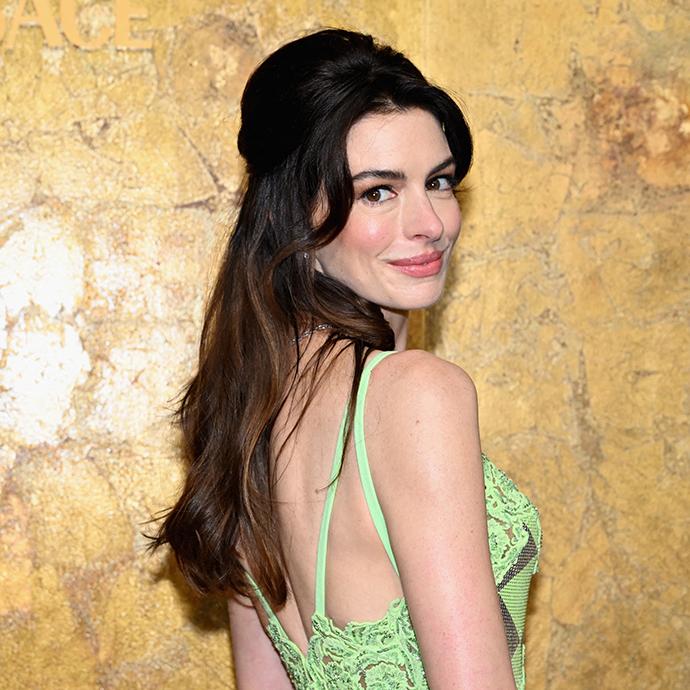
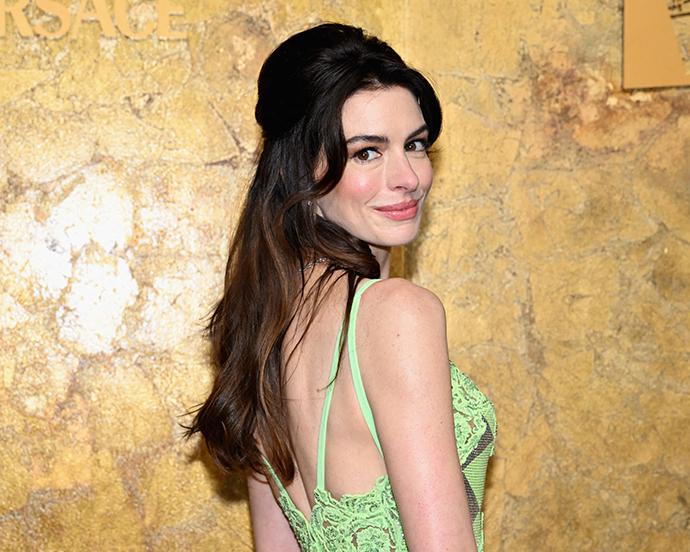
Photo by ANGELA WEISS/AFP via Getty Images
Are you a deep autumn? A bright spring? By now, you’ve probably heard of seasonal color analysis—and maybe even tried a filter online to find the ideal “season” for your features. If not, the concept is (kind of) simple. Basically, seasonal color analysis is a process used to determine which colors, tones, and shades complement your unique features—including skin tone, undertones, eye color, and hair. It’s all about finding the hues that make you look and feel like your most vibrant self. It’s also why you might glow differently when swapping out a pink top for a green one (or vice-versa).
Finding your ideal seasonal palette can help you find everything from your most flattering lipstick shades to which hair colors work best with your skin tone—and don’t worry, we’re here to help. Blonde, brunette, red, or anything in between, keep reading to bookmark this advice for your next hair appointment.
It's about glam time you treated yourself.
Join IPSY
MEET THE EXPERT
Megan Bentley is a master color analyst and the founder of The Color Countess.
Jess Gonzales is the lead colorist at FLORE Los Angeles Salon.
What’s My Ideal Seasonal Color?
Okay, so there’s the four seasons—spring, summer, winter, and fall—but there’s also four subsections of each: light, true, bright, and deep (so 16 categories total). In order to find your own color season, you need to analyze three color dimensions: contrast, which examines whether your skin is light or dark; chroma, which analyzes whether it’s muted or bright; and undertone, which is whether you are warm, cool, or neutral toned. You can have an expert analyze you (or you could always ask the Redditors over at r/coloranalysis).
To discover your undertone, look at the veins on your wrist in natural light. If they appear blue or purple, you likely have cool undertones. If they look green, you probably have warm undertones.
Meanwhile, contrast refers to the difference in lightness and darkness between your skin, eyes, and hair. High contrast—meaning you have fair skin with dark hair and cool-toned eyes—is often associated with winter or spring. Low contrast, like those with medium to dark skin with warm brown eyes and hair, is more common in summer or autumn seasons.
Finally, chroma tells you whether your natural features harmonize with either soft, muted colors or clear, bold hues. “The right color enhances the face—it creates clarity, lift, and balance,” says color analyst Megan Bentley, founder of The Color Countess. “The wrong color does the opposite. It introduces shadows, dullness, and visual tension.” Pay attention to whether your complexion looks smooth and even, or if it looks patchy or uneven. “Does the skin look healthy and even, sometimes brighter, sometimes more rosy,” asks Bentley, “or does it shift into sallowness, grayness, or dullness?”
Above all, take a look at how certain colors accentuate (or take away from) your skin. “When I’m evaluating how a shade will look on someone, I’m looking at how it impacts the skin in real time, because skin trumps all in modern day color analysis,” Bentley says. “Specifically, I’m watching for jawline definition, skin clarity, under eye area, overall tone of the skin and where the eye goes.”
What’s the Best Hair Color for My Season?
“If a client knows their season, it definitely helps narrow in on the right shades,” says Jess Gonzales, the lead colorist at FLORE Los Angeles Salon. “I always take skin tone into account first, but I also look at the eyes—what tones they pull; what they naturally reflect. That’s usually the little detail that helps me customize the color and make it feel really personal.”
“Hair sets the depth of your overall look, but it must stay in harmony with your undertone and level of contrast across the face,” adds Bentley. Here’s their advice on figuring out your best shades.
Winter
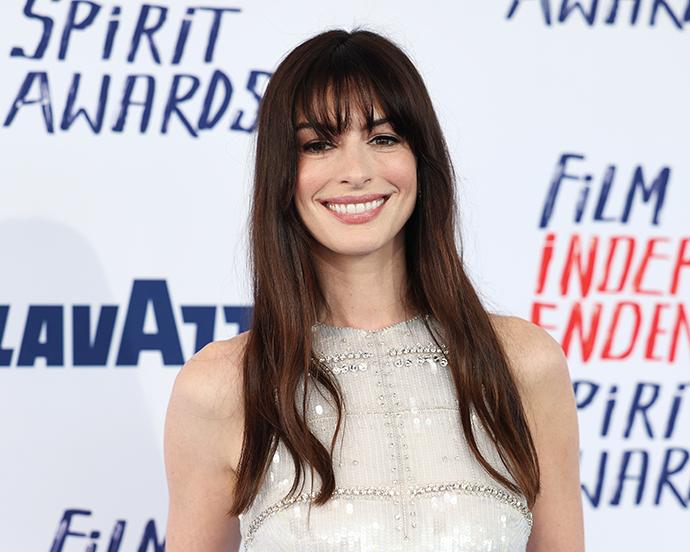
Photo by Monica Schipper/Getty Images
Winters are best supported by deep, high-contrast hair—think deep brunette to black. Lighter hair tends to disrupt their natural contrast. “A true winter looks best in deep brunettes with blue undertones,” adds Flores.
Summer
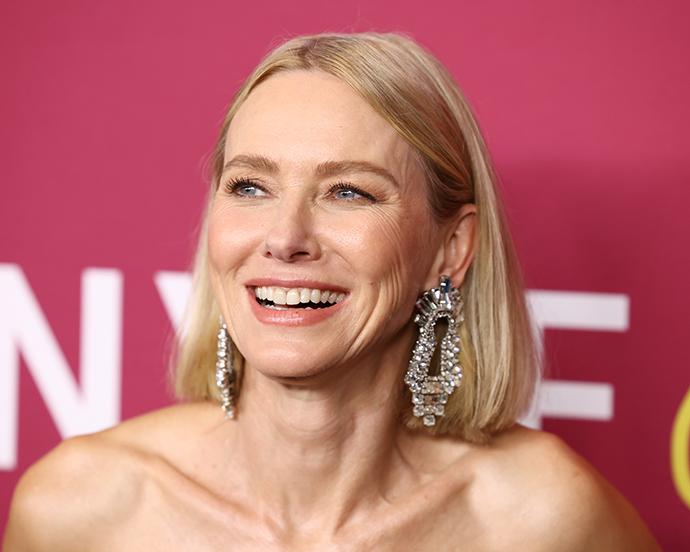
Photo by Arturo Holmes/Getty Images for FLC
Summers sit in a cool to neutral space and can range from brunette to blonde, but always in soft, blended, and refined tones—never overly warm or overly bright.
Autumn
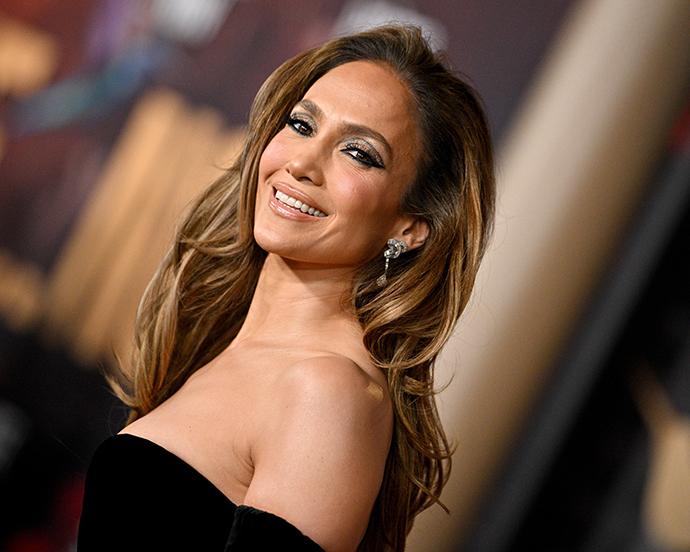
Photo by Lionel Hahn/WireImage
Autumns are grounded in warmth and richness, thriving in deep, earthy tones like warm brunettes and reds. Lighter hair tends to take away from their depth. “Soft autumns should lean into warm, muted, deeper tones—think caramelized brunette or that ‘expensive brunette’ finish,” adds Gonzalez.
Spring
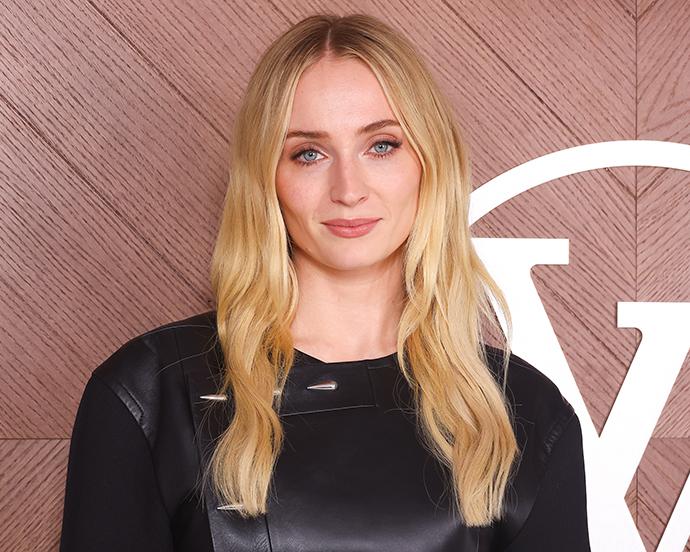
Photo by Marc Piasecki/WireImage
Springs have the most flexibility, but always need warmth and brightness. Their hair should feel luminous, not muted or ashy. Try something like the R+CO Gemstone Color Protect Masque to give hair a vibrant and hydrating boost. “A light spring works really well with warm, bright, almost pastel tones—like butter blonde, champagne, or soft beige blondes that feel sheer and glowy,” says Gonzalez.
Are There Hair Colors My Season Should Avoid?
“When it comes to what to avoid, it’s less about memorizing specific shades and more about steering clear of hair colors that work against your natural coloring,” says Bentley. Still, it’s pretty simple when you break it down.
If you’re in the Winter family, you generally want to avoid warmth because it can turn brassy or reddish really quickly. “These [shades] can clash with their natural coolness and make the skin look uneven,” says Gonzales.
Autumn tones shouldn’t go too ashy or high contrast—you want to keep that warmth and richness. Anything too light can take away from their natural richness.
Summers are similar in that they should avoid anything too high contrast and instead keep things soft, blended, and slightly muted. Don’t go too warm or bold, though. “Anything too golden or too bright can feel harsh instead of blended,” says Bentley.
Spring palettes should stay away from ashy or matte tones since those can wash out the complexion. “These can dull their natural brightness and make them look less vibrant,” Gonzales adds.
Final Thoughts
“Across the board, most hair color mistakes come down to three things: The color is too warm or too cool, the color is too light or too dark, or the color is too bright or too flat,” says Bentley. “If your hair is right, your skin looks clearer and more even. If it’s off, you’ll start to notice the hair before you notice the person.”
At the end of the day though, no hair color is actually “wrong.” Seasonal color analysis is all about finding which colors harmonize best with your unique beauty, so “don’t treat it as strict rules, more as a guide,” says Gonzalez. Plus, going against your “colors” can help you create an edgier look. Whatever makes you feel the most confident is ultimately the look you’ll want to rock.
Liked this post? Share!
Related Stories


Hair
Love It or Hate It, Crimped Hair Is Officially Making a Comeback
3 min read


Hair
The Tiny Hair Product We Suddenly Can’t Live Without
4 min read


Hair
Your Skin Tone Might Be the Secret to Your Best Hair Color Yet
4 min read


Hair
What Is Hair Perfume—and Is It Actually Better for Your Hair?
4 min read


Hair
Zendaya Just Made the Pixie Cut the Haircut of the Moment
5 min read


Hair
No More Hiding, We're Gray Blending Now
6 min read


Hair
Your Blowout Brush Might Be Damaging Your Hair—Here’s How to Fix It
3 min read


Hair
The Best Makeup Colors for Redheads, According to an Expert
4 min read
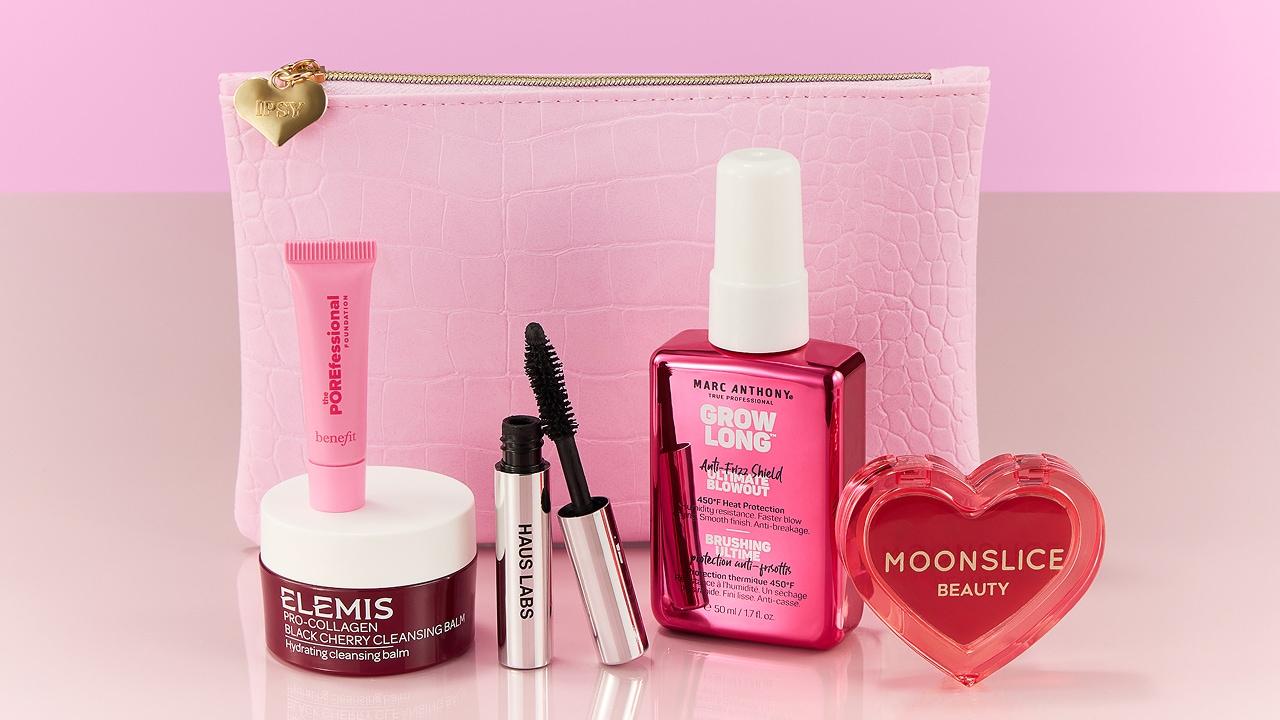
Beauty Picked Just for You
Get 5 products worth up to $70
Exclusive access to epic deals up to 80% off
Starting at just $15/month. Cancel anytime.