What Is a Structured Manicure? Everything to Know Before Booking


Ashley Locke
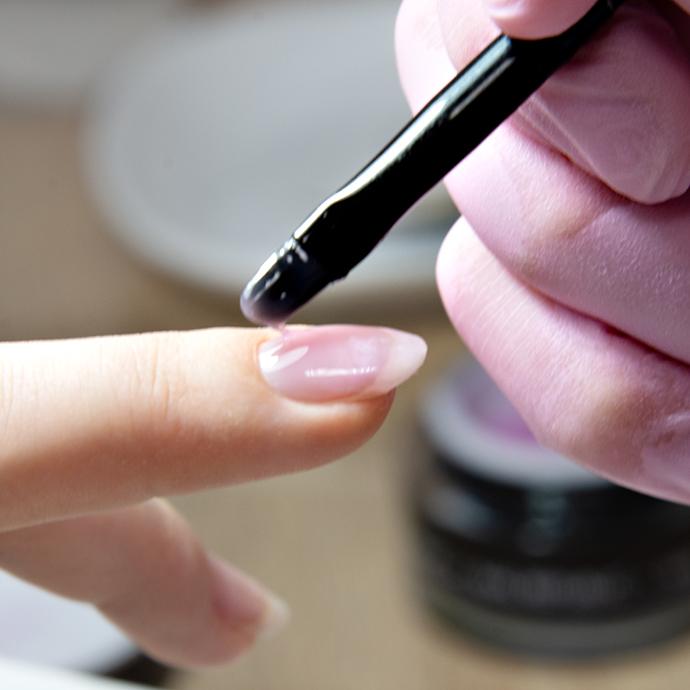
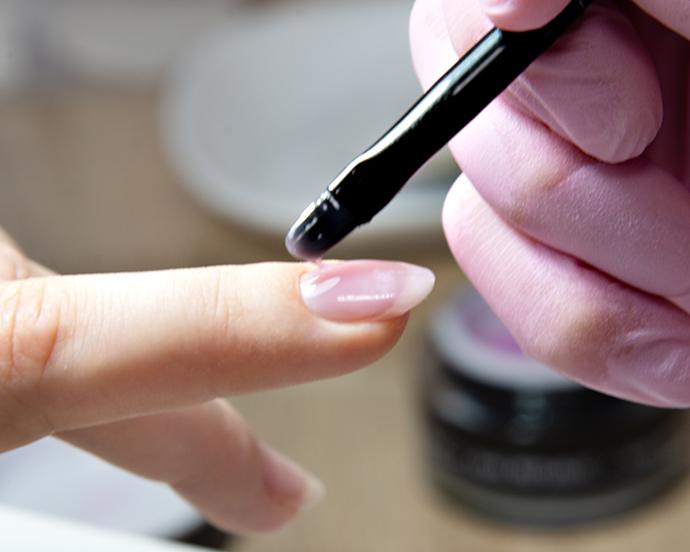
Photo by Zhanna Hapanovich/Getty Images
There are few better feelings in the world than getting your nails done. When you have a fresh mani, you feel all sorts of put-together and unstoppable, like the world is your oyster. Then the days go by, and it starts to chip. You find yourself wanting to remove it, even though you shouldn’t, but we all do it. But that gel has done quite a number to your natural nails. What’s one to do? Maybe try something else? Something like a structured manicure, perhaps? Using builder gel, a structured manicure can improve durability and even help your natural nails grow.
Below, IPSY breaks down everything you need to know about structured manicures, including what they are, their benefits, how long they last, and more.
It's about glam time you treated yourself.
Join IPSY
MEET THE EXPERT
Rachel Messick is a California-based celebrity and editorial nail artist, salon owner, and industry educator.
What Exactly Is a Structured Manicure?
Rather than the polish directly going onto the nail, a structured manicure uses a builder gel to protect the natural nails. Then the polish is applied.
“A structured manicure (also called a builder gel manicure or gel overlay) is a manicure in which a builder gel is used to create an ideal profile and reinforce the stress points of the natural nail,” explains celebrity and editorial nail artist Rachel Messick. “When done correctly, a structured manicure allows for more durability and for clients to grow out their natural nail length.”
What Are the Benefits of a Structured Manicure?
The structured manicure has one major benefit: durability. “When done properly, durability is the main benefit of a structured manicure,” notes Messick. “I always compare it to running a marathon in ballet flats versus proper running shoes. The structured manicure is absorbing and redirecting the shock and trauma our nails experience in day-to-day life.”
Other than durability, Messick continues that “a structured manicure is built to stay on the nail and be rebalanced at each appointment, which means that only the new growth of your natural nail is being prepped at each appointment.” This limits the stress put on your natural nail.
Structured Manicure vs. Gel vs. Russian Manicure
There are a few types of manicures the structured mani gets compared to. So, let’s compare them.
Structured Manicure vs. Gel Manicure
The biggest difference is the use of a builder gel with a structured manicure. A traditional gel manicure allows the polish to go directly onto the nails. There may be a base coat, but it isn’t the same as the sturdier gel used in a structured manicure.
Messick says that those with naturally nice nails should be fine with a regular gel mani. But if your nails are brittle or weak, a structured manicure may be better. “A traditional gel polish manicure, functionally, is just a slightly stronger version of a regular manicure: base gel, color gel, and top gel. No apex or additional support. So, if you’re a person with naturally great and strong nails, a regular gel manicure is totally fine.”
Structured Manicure vs. Russian Manicure
Russian manicures were rather popular on TikTok not too long ago. For those who don’t know what a Russian manicure is, it’s an “e-file manicure,” which means it involves a dry process of filing, cutting, and removing the cuticle with electric drill bits entirely for a clean, edge-less look.
So a big difference here is what they do. “The biggest distinction is that a Russian manicure generally refers to the nail and cuticle preparation, whereas a structured manicure refers to the actual architecture of the nail enhancement,” says Messick. Both methods can be used together, meaning you can have a structured manicure with a Russian manicure-style preparation.
How Is a Structured Manicure Done?
Step 1: Nail Prep
The structured manicure starts with both dry and wet nail preparation. Messick says it begins “with dry cuticle and nail preparation, similar to the Russian style, followed by dehydrating the nail plate with isopropyl alcohol.”
Next, a primer or flexible gel base may be applied depending on the system the nail artist uses, according to Messick.
Step 2: Builder Gel Application
Once the nails are prepped and ready, it’s time to apply the builder gel. “The structure of the manicure is created with a soft or hard builder gel (sometimes in a bottle or a jar with a brush), usually by applying a thin layer of gel that acts as a slip layer,” says Messick. “Then, a larger bead of product will be applied in the upper third of the nail and shimmied down the nail to create the structure.”
Step 3: Gel Curing
As with a gel manicure, the builder gel needs to be cured. Things might get spicy during this step, with Messick noting the gel can feel hotter under the heat. "Many artists will use a curing method designed to help manage the heat while following the manufacturer’s curing instructions,” she continues.
Step 4: Refine the Structure
Finishing the structured manicure calls for assessing any issues with the structure. “After the cure, your artist may ‘finish file’ your overlay to correct [anything],” says Messick.
Step 5: Finish With Color and Design
When the artist has completed everything they need to do with the builder gel and it is finally cured, they can move on to applying a color and design.
How Long Does a Structured Manicure Last?
A structured manicure typically lasts between two to four weeks, though it entirely depends on the individual. “The durability of any nail enhancement will vary wildly based on the state of the client’s natural nails, their lifestyle, the product used, and/or the skill level of the technician,” Messick explains.
To extend the life of your structured manicure, there are some at-home tips you should follow. “The biggest client-driven retention issues I see stem from not caring for nails at home,” says Messick. She recommends “using cuticle oil twice a day and wearing gloves when hands are coming into contact with cleaning solvents or spending extended time in water.”
How Do You Remove a Structured Manicure?
Removal is relatively easy, especially considering structured manicures aren’t entirely removed but rather rebalanced. This means that “the gel is filed down thin, new growth is prepped, and then a new overlay is placed on top of the existing base,” according to Messick.
She says that if you want the manicure entirely removed, it will depend on the builder gel used. “A soft gel overlay can be filed down as thin as possible and then soaked off with acetone and removed completely from the nail plate. However, if your overlay is created with a hard gel, it cannot be soaked off with acetone and must be filed down by your nail artist.”
How Much Does a Structured Manicure Cost?
The price of a structured manicure varies “based on the type of salon, skill level of the technician, and the market within the location,” according to Messick. She says that they’re typically $15 to $25 more than a basic gel manicure.
Messick continues, “Across the U.S., you can generally expect to pay around $50 to $80 for a structured manicure without art, but prices can go well beyond that. Where I’m based in California, the lower end of a structured manicure is around $65. If your artist is experienced and independent, expect to be in the $100+ range. Artists who specialize in this type of work also tend to be very invested in their professional development, regularly pursuing continuing education to refine their skills and stay current with products and techniques.”
Who Should Get a Structured Manicure?
If you’re looking to grow out your natural nails and can maintain a consistent manicure schedule, a structured manicure may be for you. “A structured manicure is best for clients who want to maintain or grow out their natural nails or who need more support than a standard gel manicure provides. Because it requires regular maintenance, it may not be the best choice if you don’t want to visit the salon every two to four weeks,” emphasizes Messick.
Those with visible damage on their nails may want to avoid this manicure style. Messick says, “Your nail artist should assess the condition of your natural nails before applying any product. If the nail plate is significantly damaged or shows signs of infection, the service should be postponed until the issue has been addressed. A nail professional should never work over a suspected infection and may refer you to a medical professional.”
Is a Structured Manicure Worth It?
More than the structured manicure itself, Messick says that “the magic happens when a great product is in the hands of a skilled artist.” Finding the right nail artist is just as important as determining if a structured manicure is right for you.
She also notes that the structured manicure goes by many names, including “BIAB, builder gel, structured gel, gel overlay, and natural nail overlay.” Though “structured manicure” is often easier for clients to understand.
Messick ends by emphasizing that “no single product is going to be the right fit for every client.”
Liked this post? Share!
Related Stories


Nails
6 Celebrity Manicures We're Bringing to Thanksgiving Dinner
3 min read
Nails
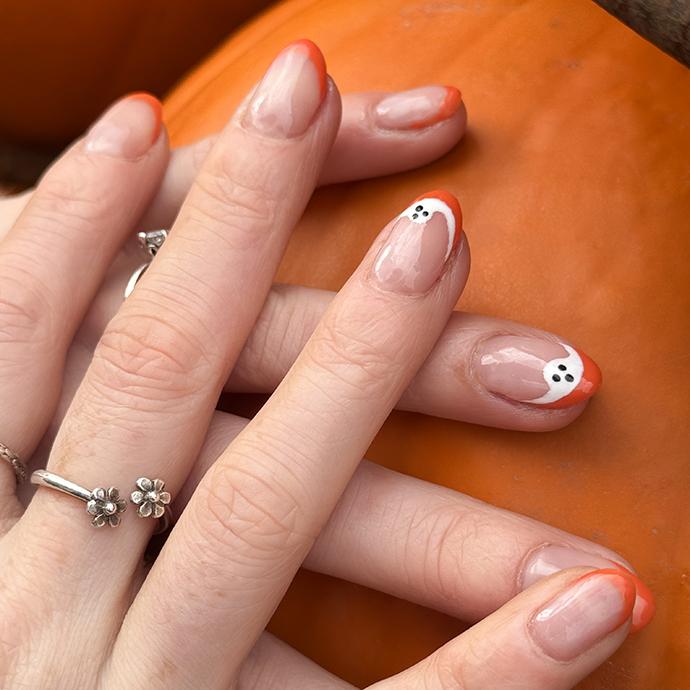
15 Halloween Nail Art Ideas That Are Scary Good
4 min read


Nails
Everyone's Talking About Japanese Manicures—Here's Why
4 min read


Nails
Animal-Print Nails Are Back and Wilder Than Ever
8 min read


Nails
Coconut Jelly Nails Are the New Nude Mani Everyone’s Wearing
3 min read


Nails
Why Natural-Length Nails Are the Biggest Manicure Trend Right Now
5 min read


Nails
FIFA World Cup 2026 Nail Art Designs You’ll Get a Kick Out Of
2 min read


Nails
Spurs or Knicks? Show Support for Your NBA Team With These Nail Art Ideas
2 min read
Beauty Picked Just for You
Get 5 products worth up to $70
Exclusive access to epic deals up to 80% off
Starting at just $15/month. Cancel anytime.